History
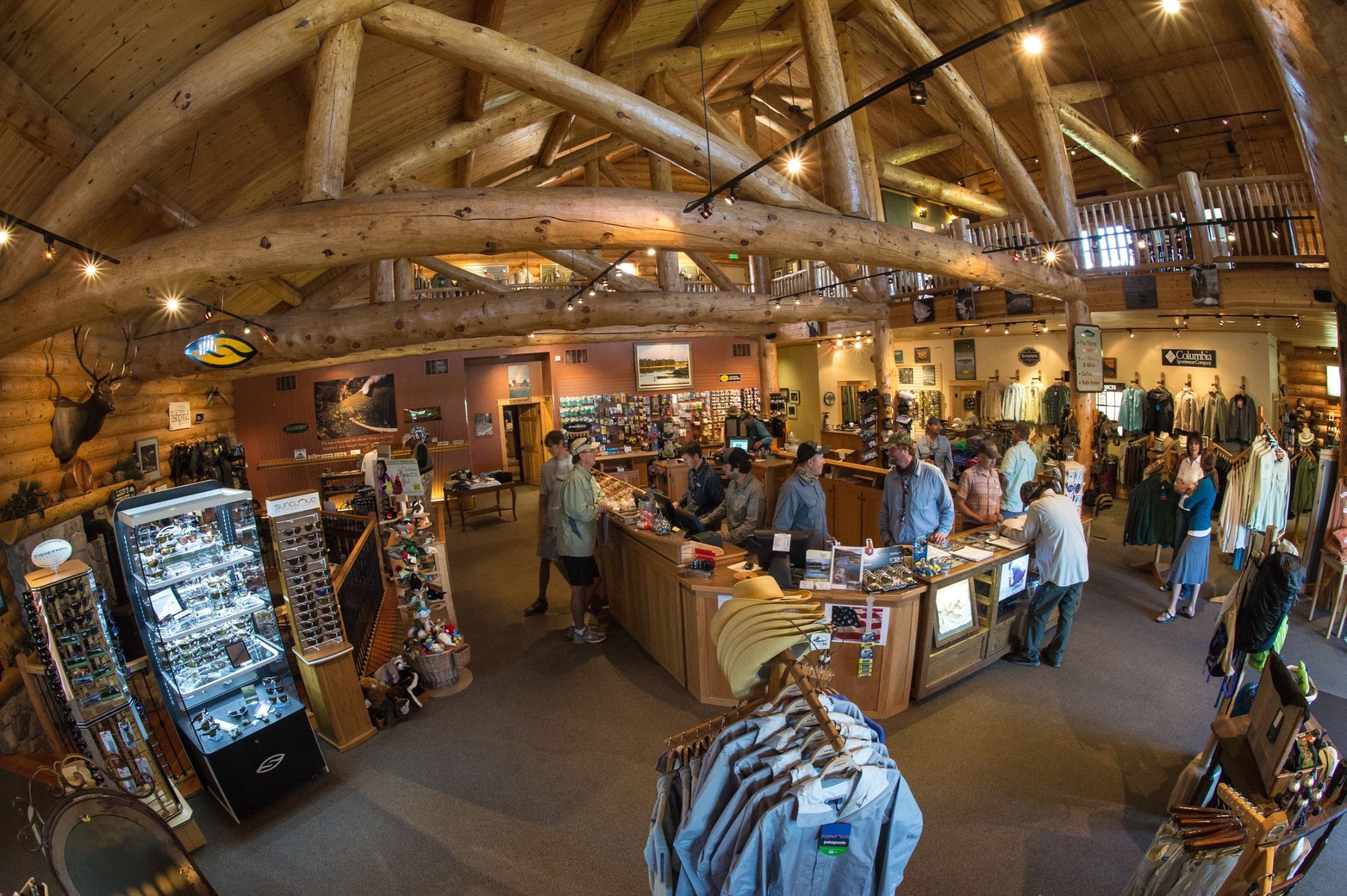
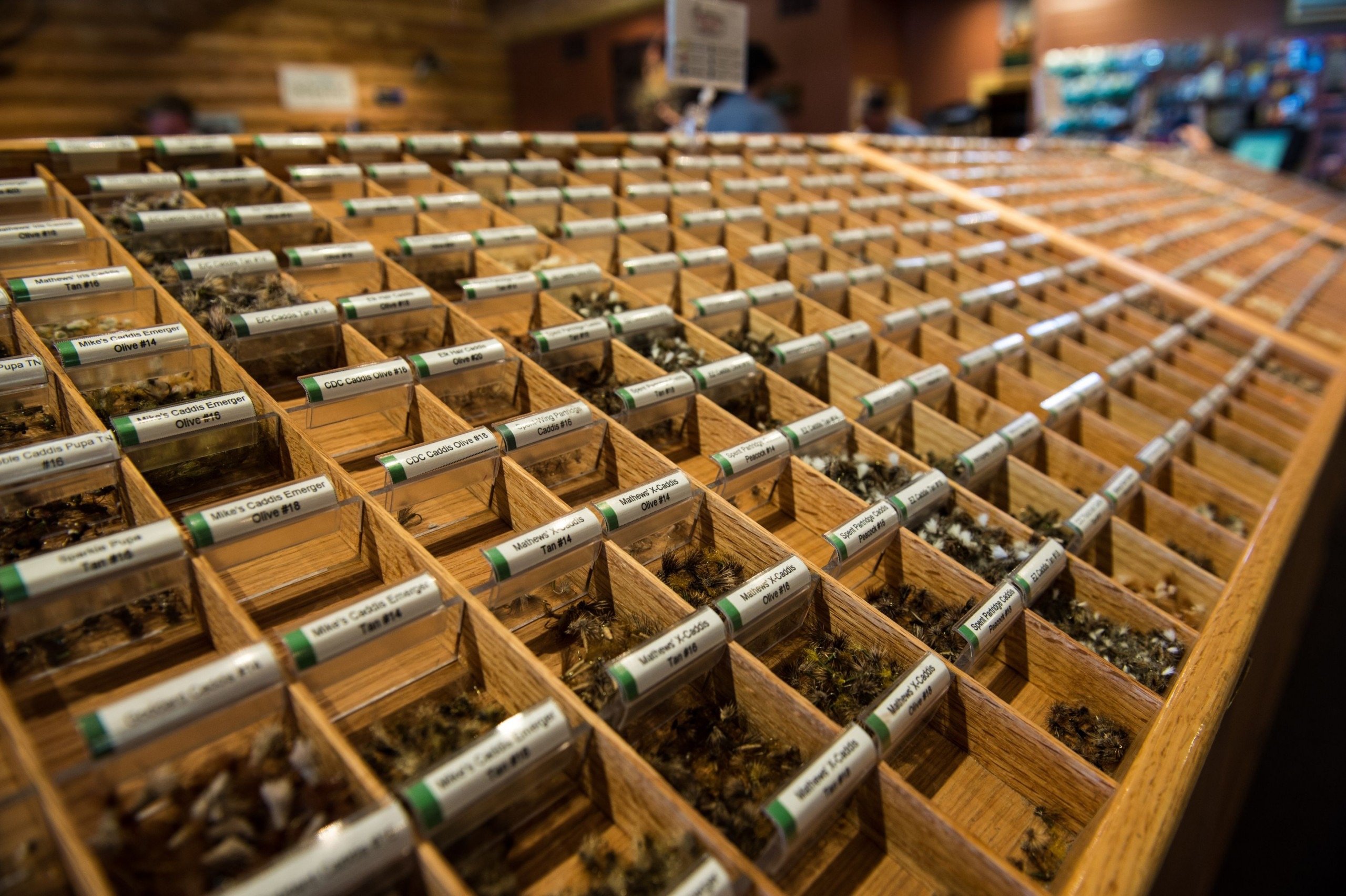
Mike and Sheralee Lawson’s roots are five generations deep in Henry’s Fork country. In 1976 they started Henry’s Fork Anglers, just upstream from the Harriman Park section of the Henry’s Fork on Idaho’s Highway 20. Henry’s Fork Anglers continues today as a stand-alone fly fishing shop and outfitting business. This gives them the advantage to objectively tailor fishing packages with a variety of different accommodations to meet the needs and requirements of the most discriminating angler. The original shop stood for thirty years. By 2005, they had outgrown the old building and a new building was constructed in the same location with four times the floor space of the former building. The new shop is loaded with merchandise and flies from the biggest names in the fly fishing industry and offers daily guiding and outfitting all throughout the area.
General Information
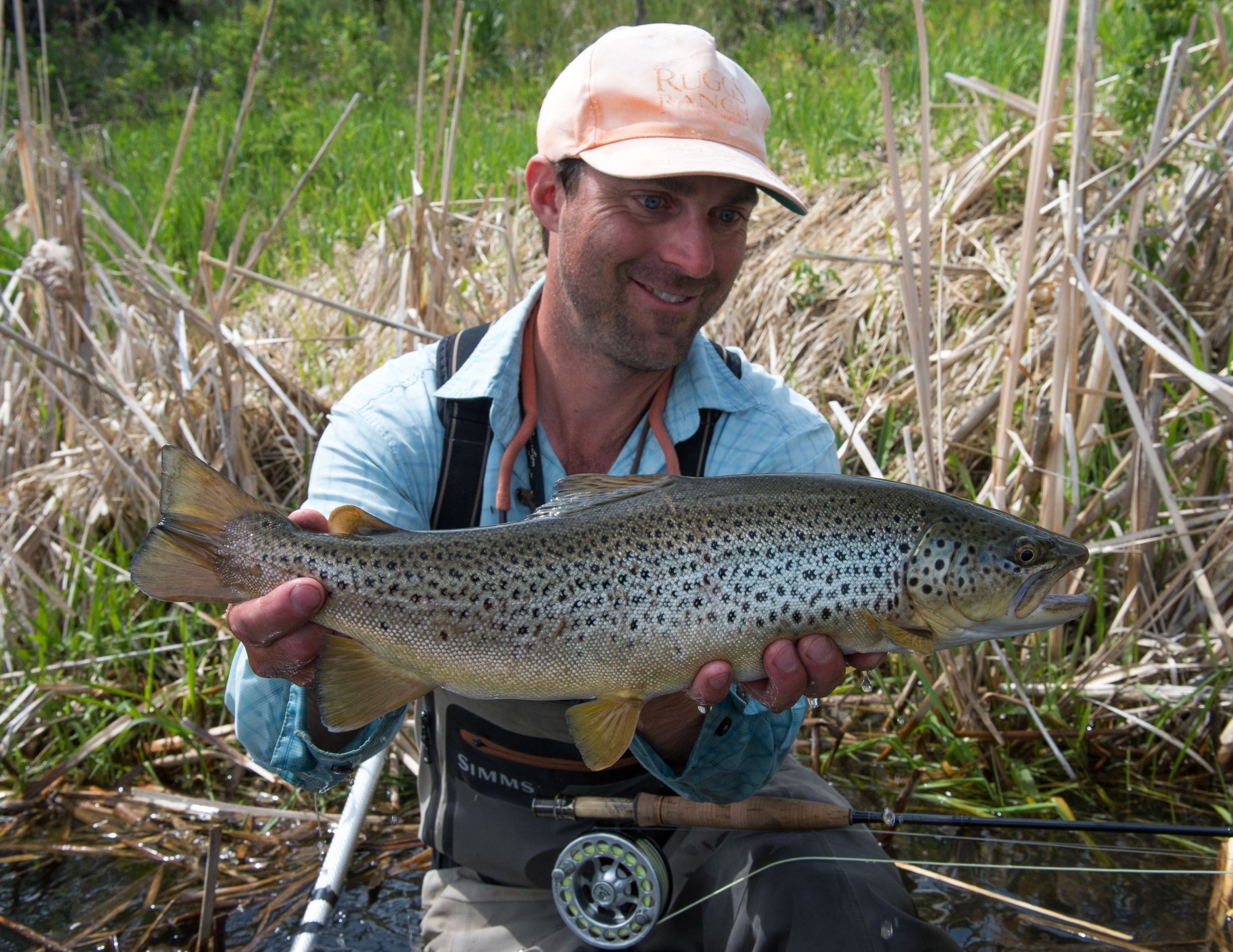
It’s a good bet that you won’t find a more knowledgeable, experienced group of fly fishing pros anywhere on the planet than the guides that work for Henry’s Fork Anglers. Mike Lawson started his career guiding for Jim Danksin in West Yellowstone. He became an outfitter and opened Henry’s Fork Anglers in 1976. Early on, Henry’s Fork Anglers built a reputation for the finest fly fishing guides in the business. The guide staff is anchored by Bob Lamm, Curt Barker, Mark (Smitty) Smith, Dom Traverso, and Tom Grimes – a solid group with a total of more than 200 years of experience. They are mentors for all other shop guides, and their leadership has set the highest standard of excellence in the industry. Henry’s Fork Anglers’ guides not only know the water and how, where, and when to catch trout, but they also understand the needs and expectations of their customers. Some of the most storied rivers in American fly fishing are available to anglers fishing with Henry’s Fork Anglers, including:
Henry’s Fork of the Snake
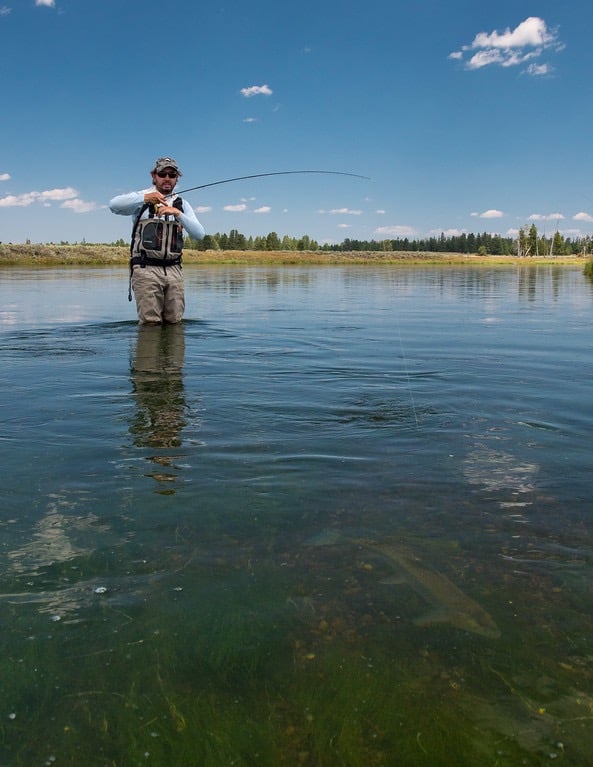
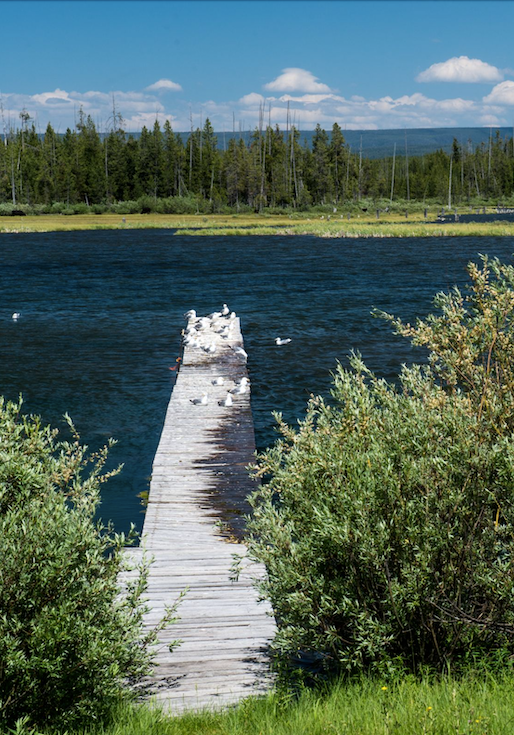
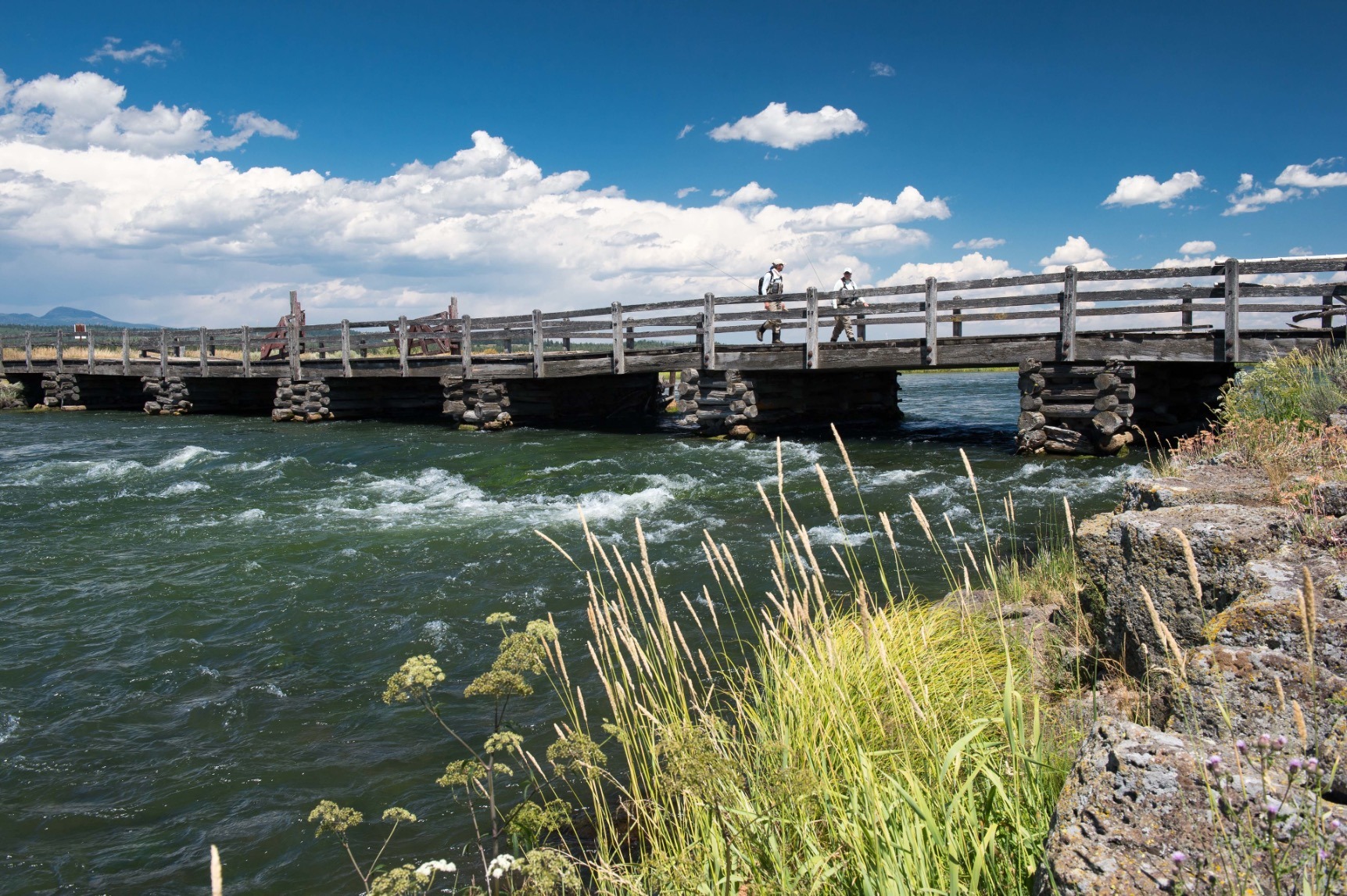
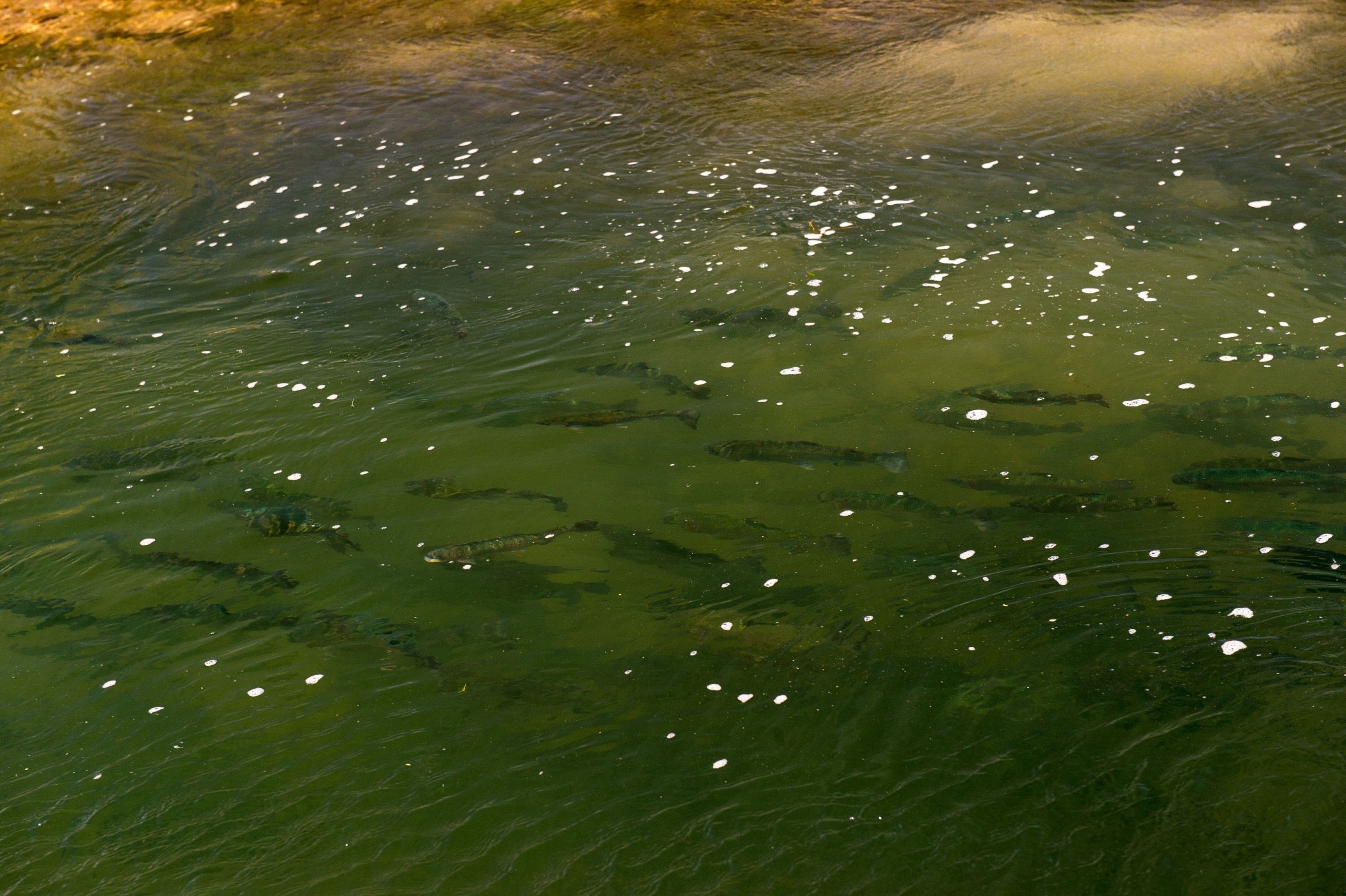
Just across the road from the shop, the Henry’s Fork offers close to 80 miles of incredible fly fishing water. Likely the most diverse river in the world, the Henry’s Fork is like having five rivers in one. The upper section above Island Park Reservoir is managed for family fishing. It is easy to wade with good hatches and large numbers of eager trout. In the fall and early spring, large trout move into this part of the river to provide an opportunity for bigger fish that move up from the reservoir.
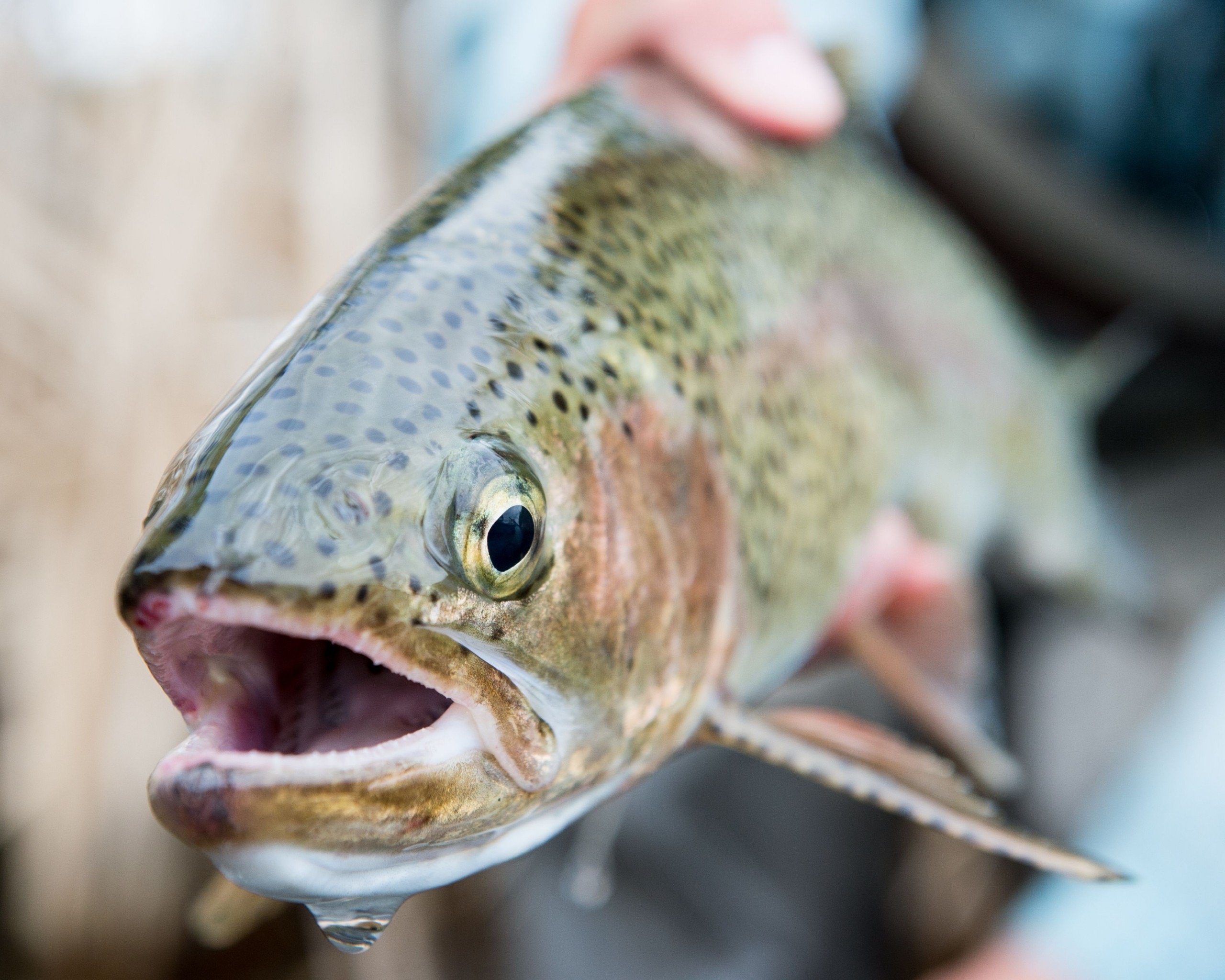
Below Island Park Reservoir is the Box Canyon, well-known for its strong, healthy trout. The big rainbows found here are hard to land because they know how to use the heavy fast currents and rocky substrate to their advantage.
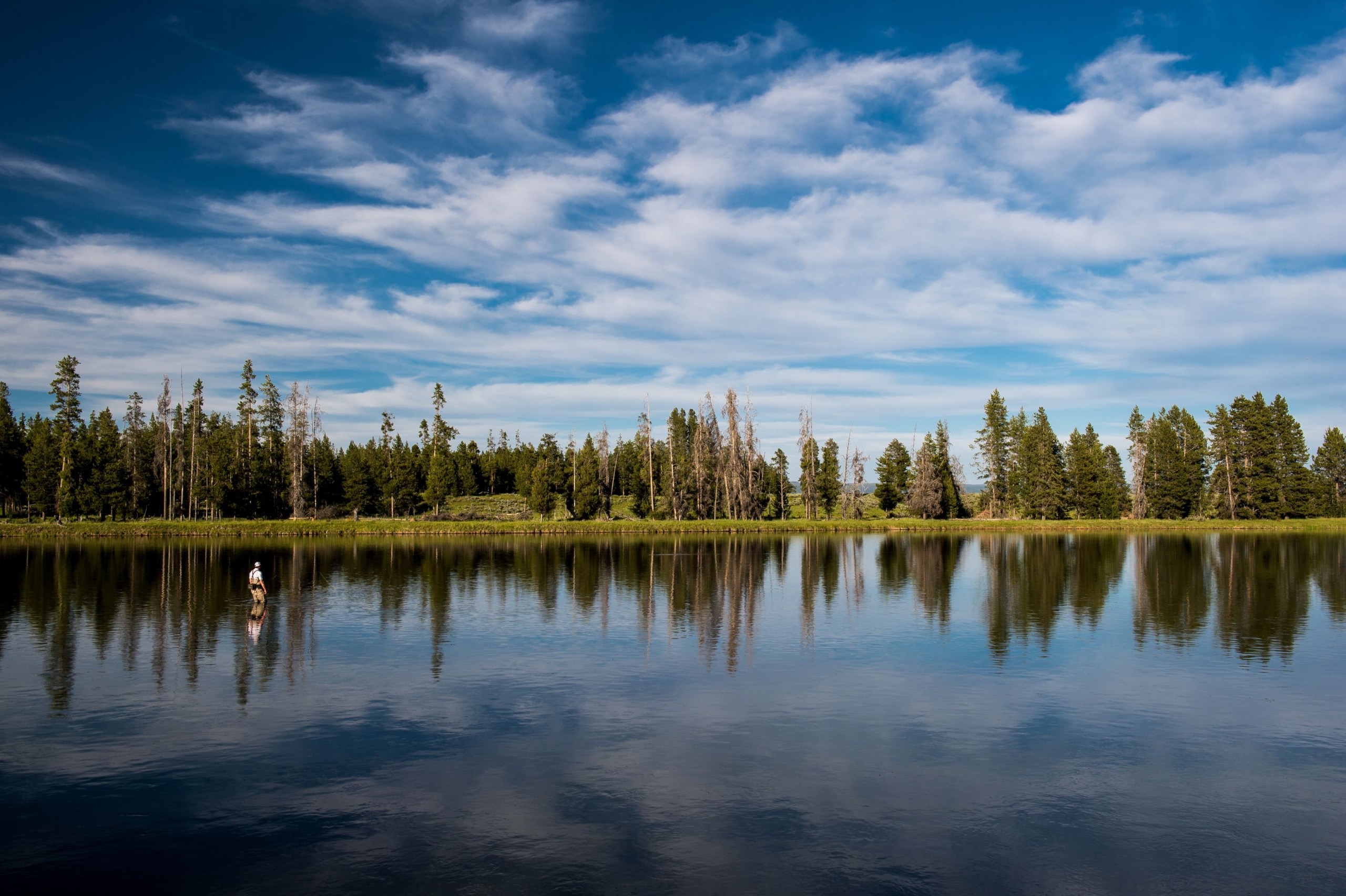
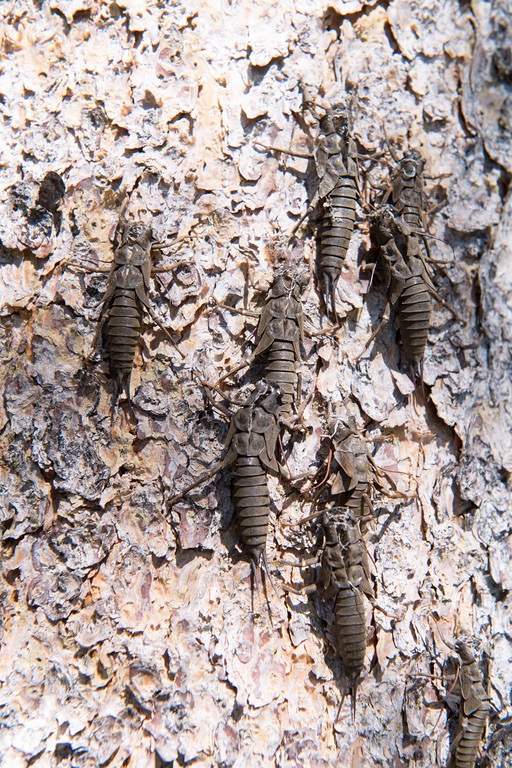
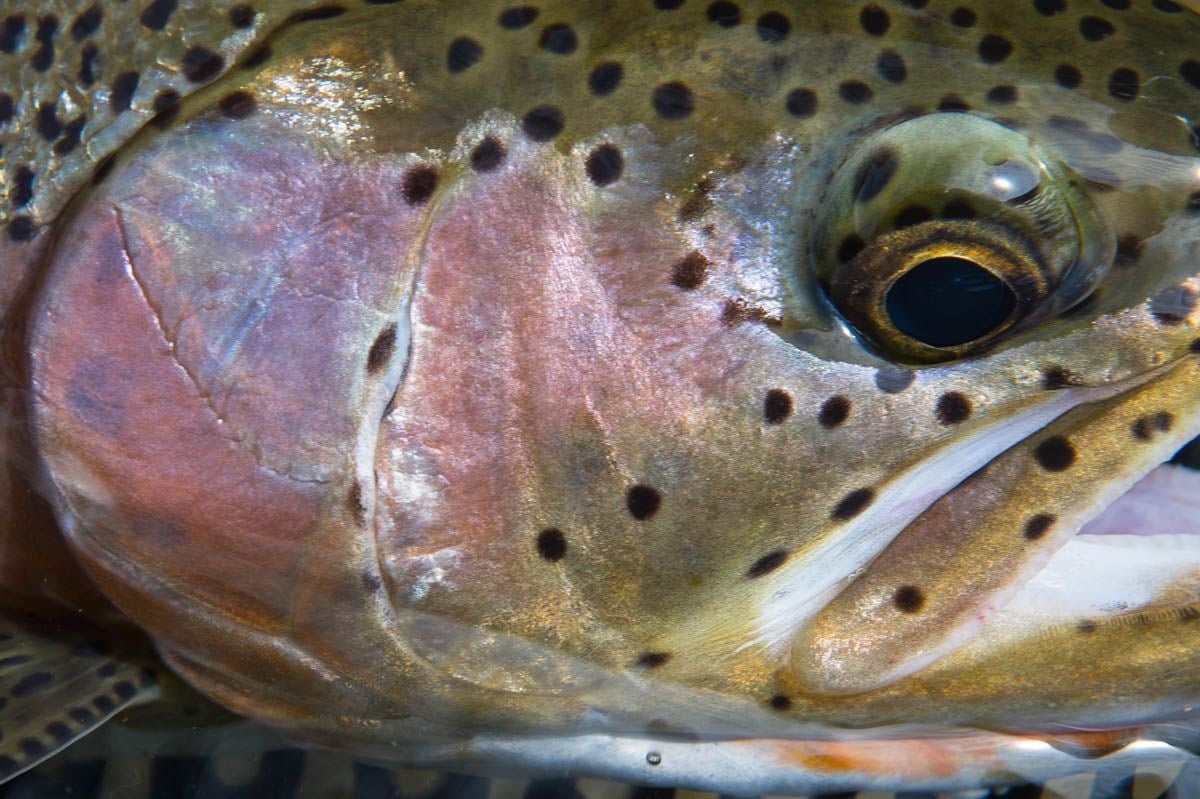
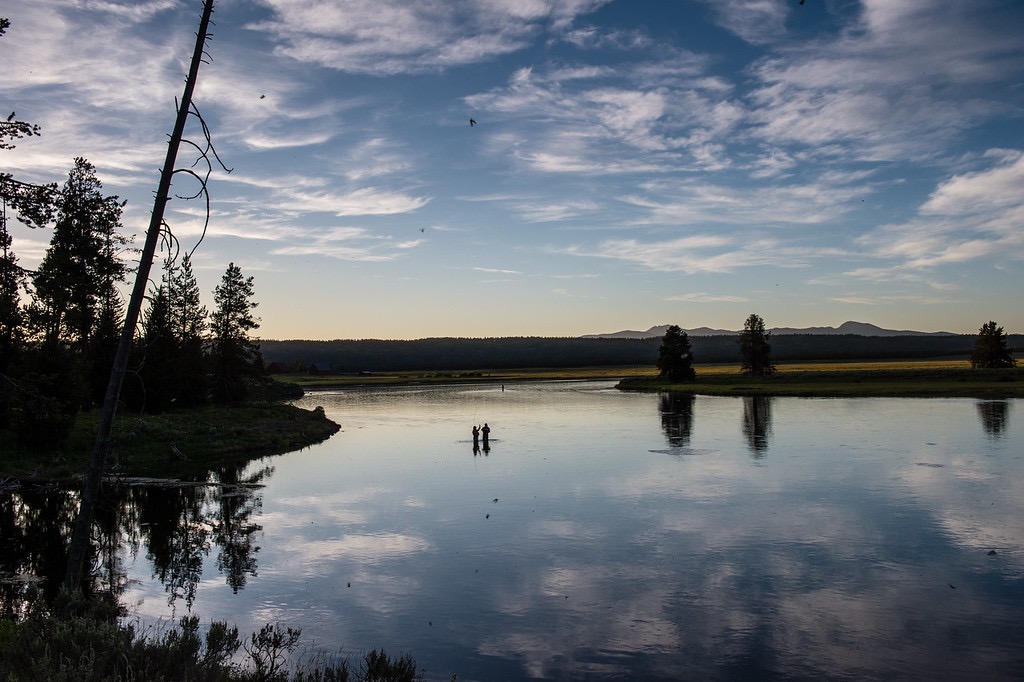
South of the Box Canyon, the river slows down and meanders for miles. Volumes have been written about this area, one of the most famous river stretches in the world known as the Harriman State Park. Spring creek water settles quietly throughout 8 miles of open meadow where mayflies, caddisflies, and other aquatic insects entice big trout to the surface on a daily basis. The rainbows are wary and difficult. Harriman Park is one place where the perfect presentation with the perfect pattern is not only important but necessary.
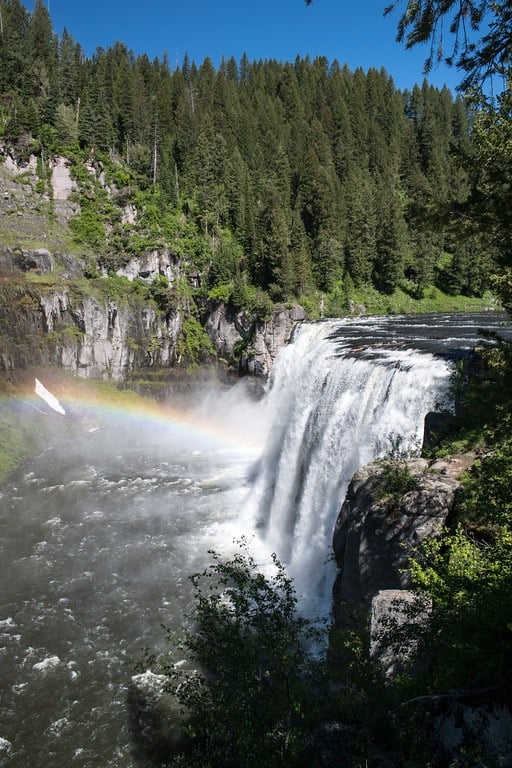
Below the Harriman Ranch, the Henry’s Fork slices through a basalt canyon where it drops over 1,000 feet in just 20 miles. While some of the whitewater is navigable, there are three major waterfalls that prohibit boat traffic. The river breaks from the canyon at the confluence with Warm River and becomes a classic western river with lots of high rock walls, nice pools, runs, and riffles.
Further south, Ashton Dam provides a nutrient-enriched tailwater fishery that produces some of the fastest-growing and strongest rainbow and brown trout in the entire Yellowstone region. After the Henry’s Fork passes through the town of St. Anthony, it braids through deep stands of cottonwood trees until it reaches its confluence with the South Fork. The Henry’s Fork provides at least ten different float sections to meet the needs and interests of every fly fisher.
South Fork of the Snake
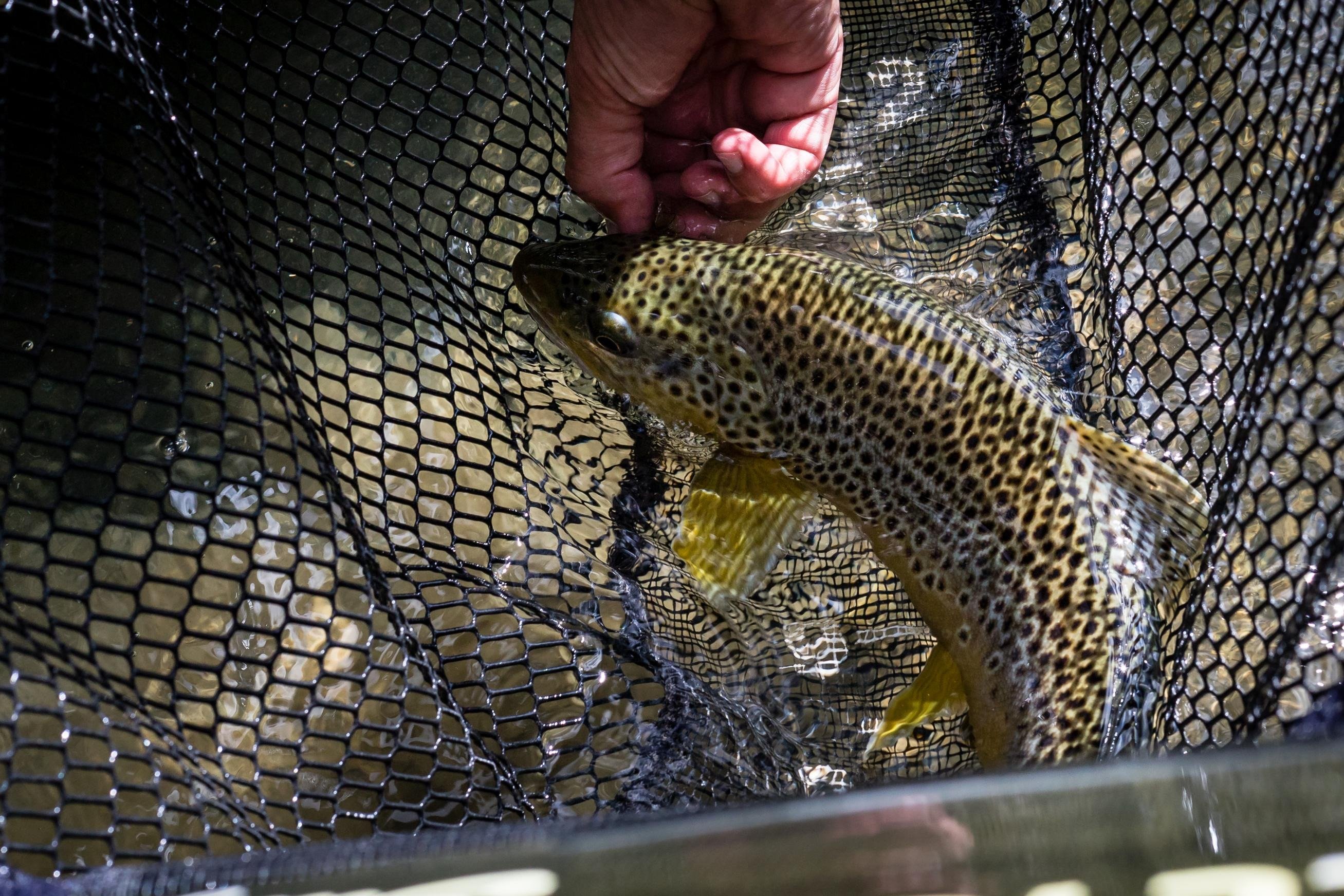
The South Fork is Idaho’s finest tailwater fishery. While the river has almost 70 miles of good water, Henry’s Fork Anglers’ guides usually focus on the lower 40 miles. The river is loaded with browns, rainbows, and cutthroat trout. A typical day on the South Fork involves casting large high-riding foam dry flies along the banks and stopping to fish smaller dry flies to rising trout in the shallow riffles and runs. One of the best attractions of the South Fork is the variety of fishing. There are large selective trout that will challenge the most experienced dry fly angler yet you can be assured that even the most inexperienced novice will hook some nice fish. Another stand-out feature here is the amount of land placed under conservation easement, meaning anglers can float stretches of this river for miles without seeing a single home, an outstanding experience in our modern-day landscape.
Teton River
The latest addition to the Henry’s Fork Anglers’ operating area, this tributary of Henry’s Fork offers more than 75 miles of prime trout water. Mike Lawson knows this river as well as anyone as he grew up only a mile from it. The upper section located west of Driggs, Idaho offers more than 15 miles of meandering spring creek water. It’s loaded with rainbow and brook trout along with large cutthroat trout that will test the skills of the most experienced angler. The next 30-mile middle section is difficult to access where it flows through a deep whitewater canyon. Loaded with large trout, the best access is by dragging inflatable rafts 1,500 feet deep into the canyon. Floating from the failed Teton Dam access is also an experience to remember. The lower section encompasses more than 25 miles of water. Difficult to access as it mostly flows through private property, this section holds some of the largest trout in the entire region. One of the best attributes of the Teton River is it fishes well during late July, August, and early September when some rivers are in the summer doldrums.
Madison River
The Madison River in Montana is one of the most revered trout streams in the country. Mike Lawson holds one of the oldest outfitting licenses in the State of Montana. Many of the guides at Henry’s Fork Anglers started their guiding careers on the Madison, and all of the guides at Henry’s Fork Anglers fish the Madison on a regular basis.
Yellowstone National Park
Great fly fishing opportunities on a variety of great waters throughout the season. The Firehole, Gibbon, and Madison provide early season dry fly action from the Memorial Day weekend until early July. Later in the summer, the best fishing is to the north and east on the Yellowstone, Lamar, and Slough Creek. All Park waters offer great fishing in the fall.
Stillwater Lakes
Henry’s Fork Anglers guides pride themselves in their knowledge and ability to fish still water, including Henry’s Lake, Hebgen Lake, and Island Park Reservoir. These lakes can produce fast action for some of the largest rainbow, brown, cutthroat, and brook trout in the region, depending on the time of the year.
Boats and Equipment
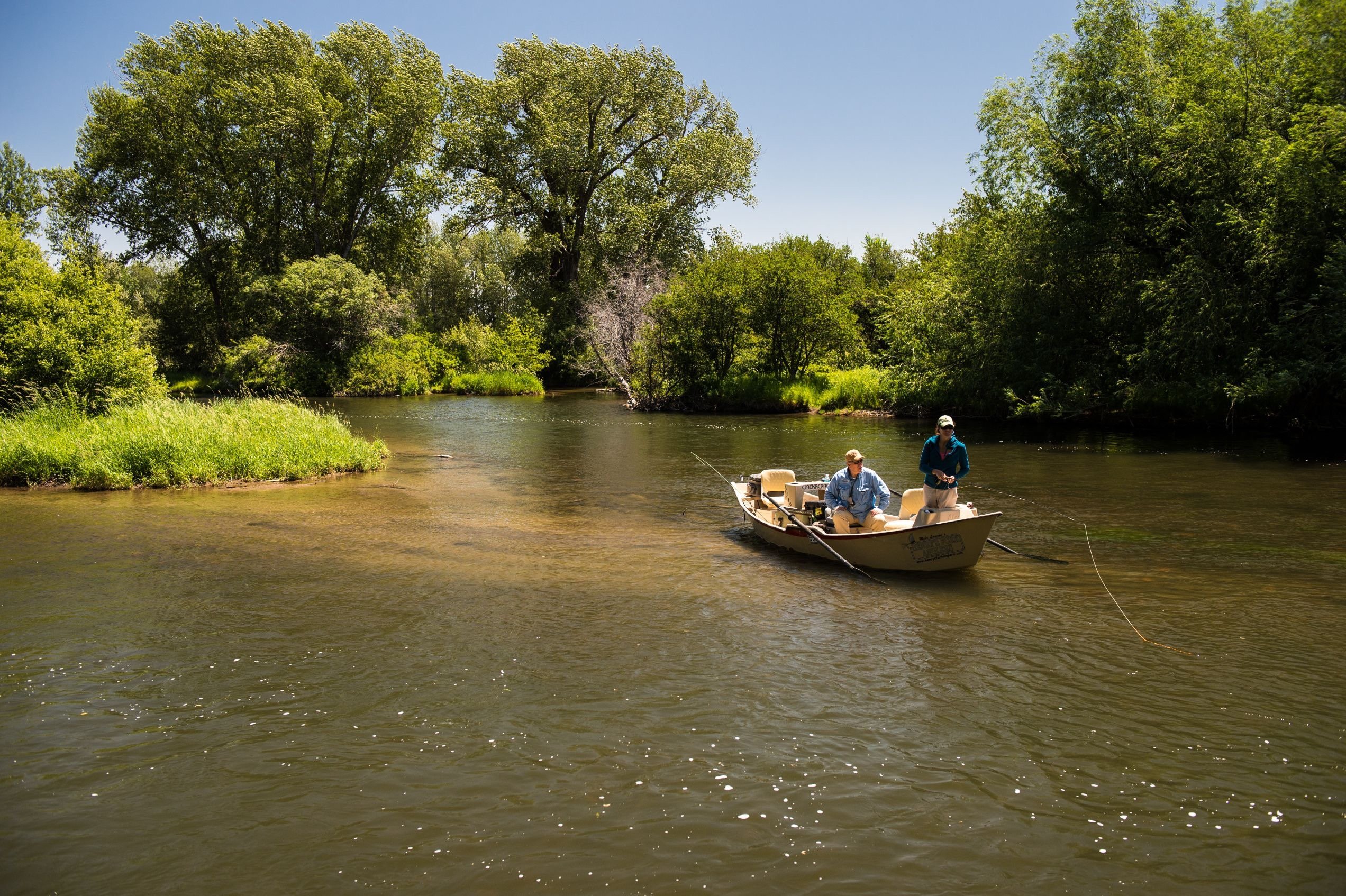
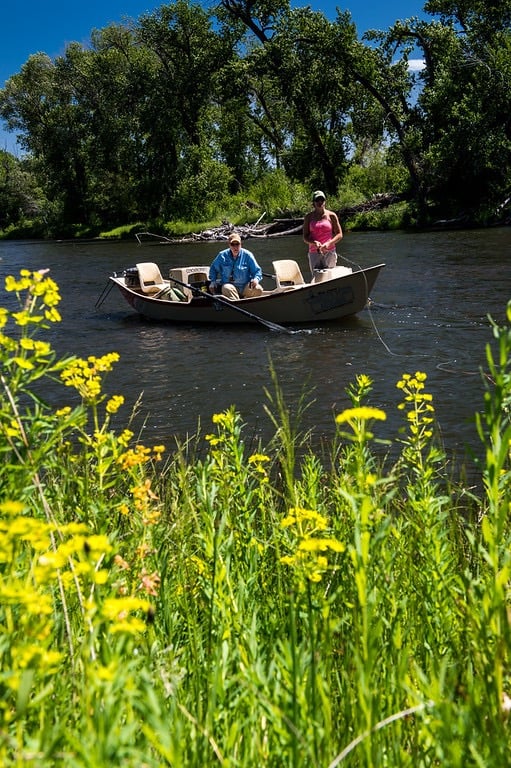
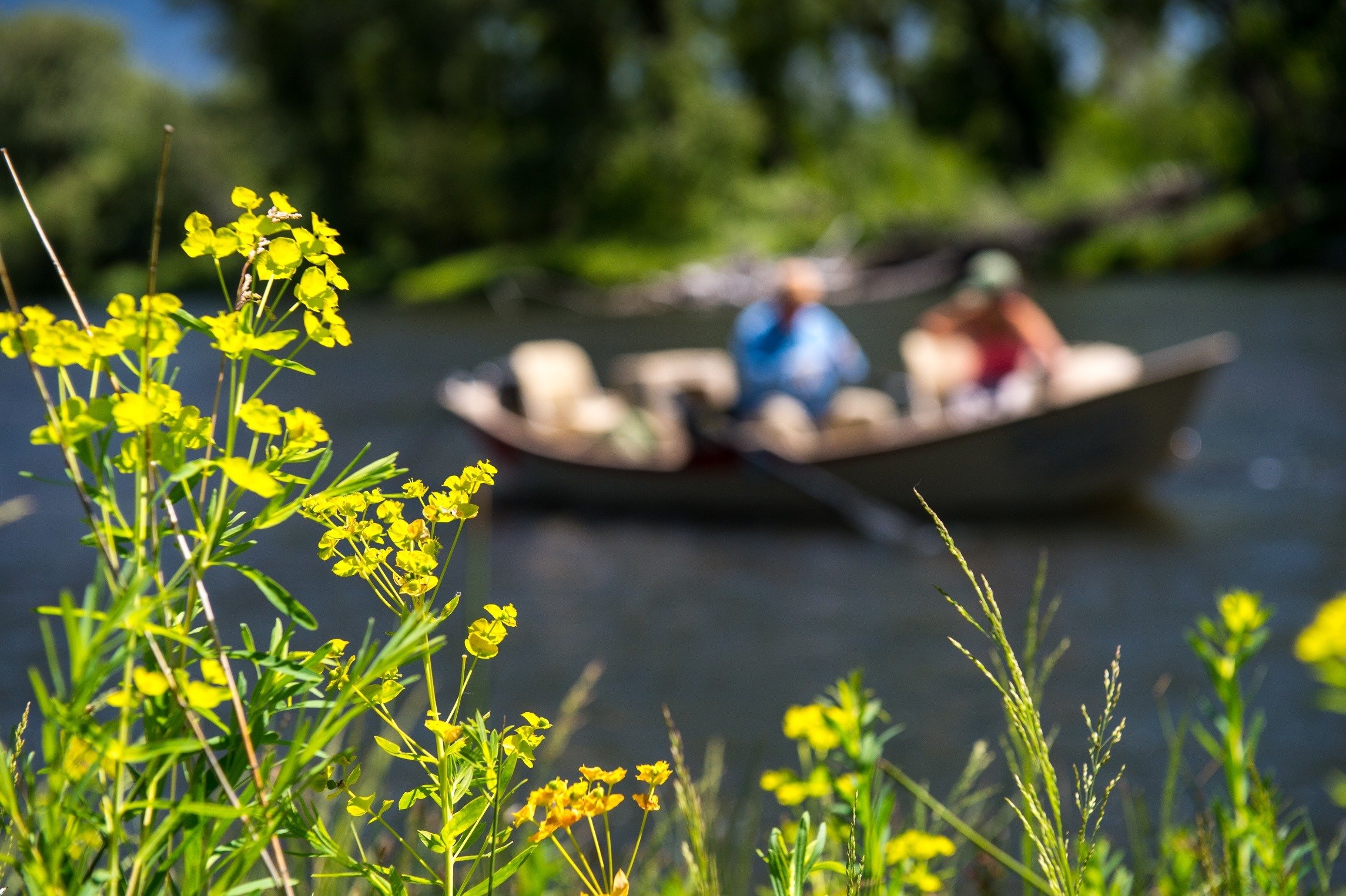
The guides at Henry’s Fork Anglers use several types of boats, depending upon the type of water to be fished. River drift boats are used by all of the guides to float the more than 30 different float sections on the Henry’s Fork, South Fork, and Madison Rivers. Aire Super Duper Puma inflatable rafts are used to float the whitewater canyon of the Henry’s Fork and Teton Rivers. Some of the guides also use powerboats for the lakes where they can move and maneuver quickly from one spot to another. The 6,500-square-foot fly shop has hundreds of fly patterns suited to the area and is usually well-set with the latest and greatest hot patterns. The shop is also well-stocked with the biggest names in fly fishing gear, outdoor clothing, waders, and other fishing supplies.