



Shop
|
Fly Tying
Fly Tying Hair/Fur
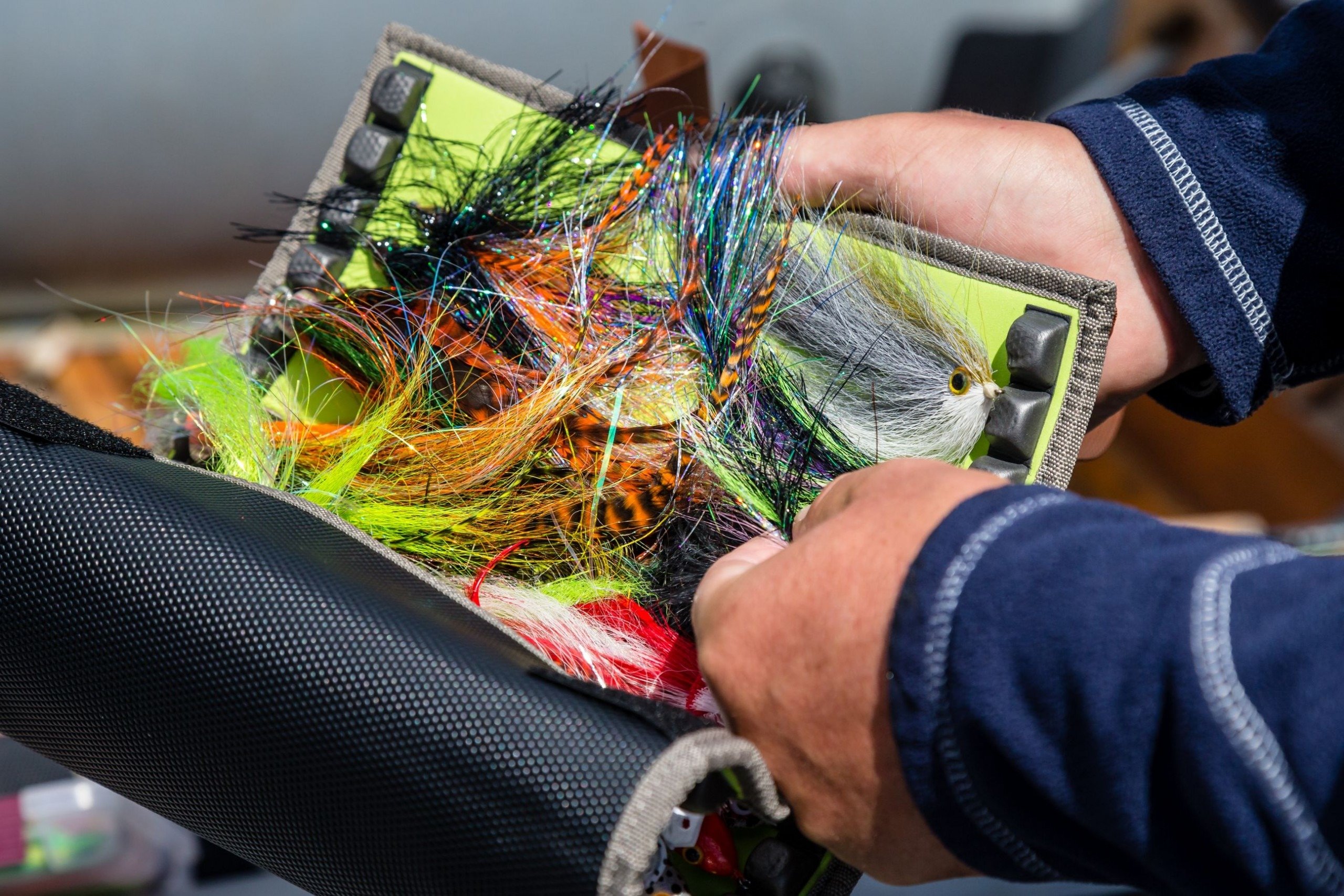
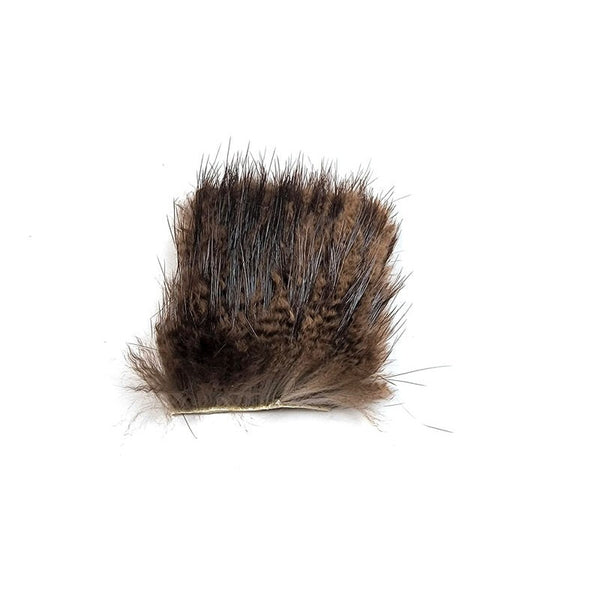
Our fly shop carries a massive selection of hairs and furs, including a wide variety of deer, rabbit, coyote, arctic fox, and more.




Fly Fishing Andros, Bahamas | Watch Now
FREE SHIPPING ON MOST ORDERS OVER $99
We Give Back With Every Trip Booked & Product Sold!

Explore the all-new Patagonia Guidwater Packs.

Shop all-new apparel from Simms, Howler, Patagonia, and more.


The Lodge Partner Program consists of lodges and outfitters within the Yellow Dog network that commit to an annual donation to YDCCF to support community and conservation efforts in their region
