



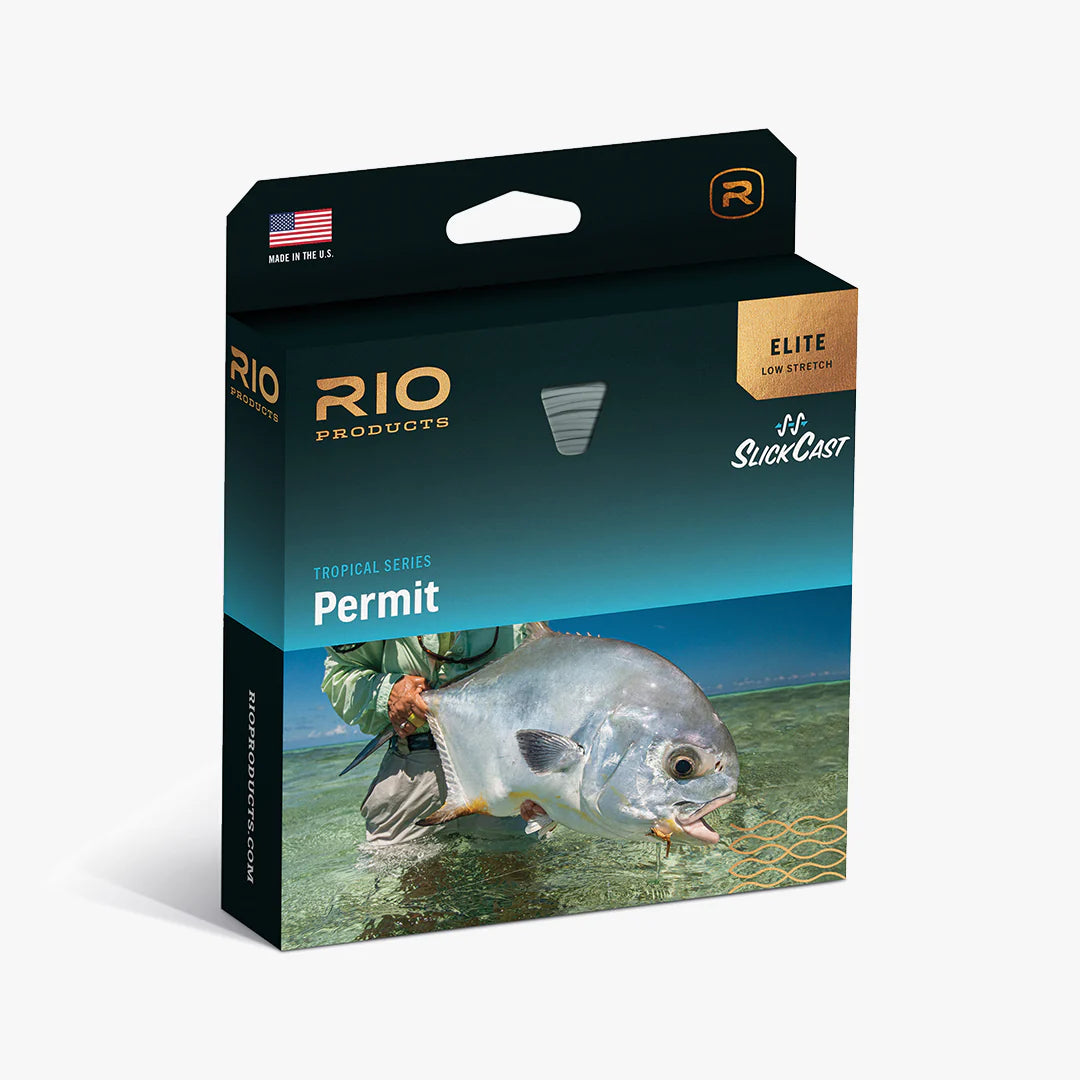
RIO Elite Permit
 In Stock • Bozeman, MT

- Easy casting taper that presents typical crab patterns gently
- Long back taper for fast, 2nd shot casts
- Low stretch DirectCore for hard, solid strip sets
- Built with RIO's exceptionally slick, durable SlickCast coating
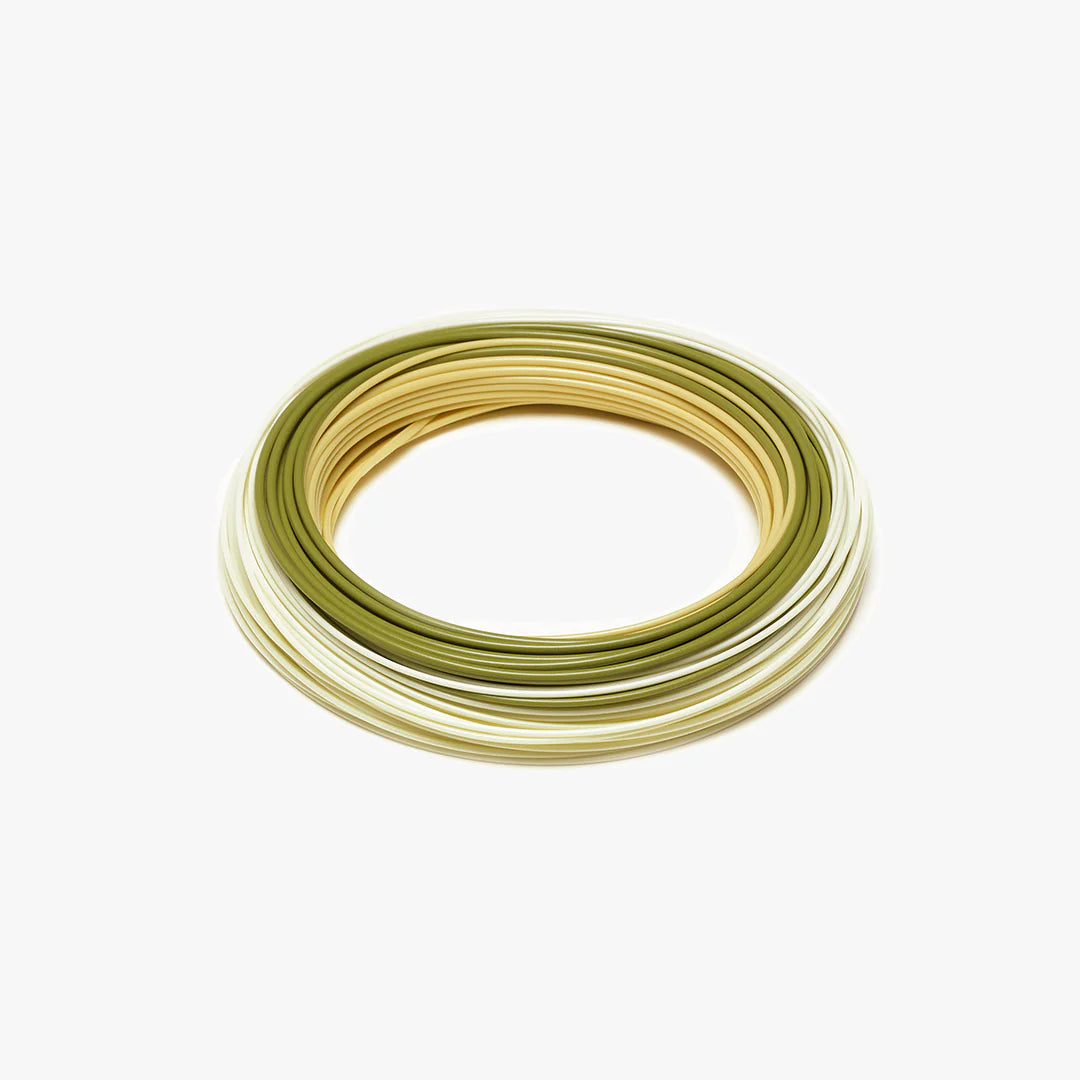
- SureFire tricolored measuring system for increased accuracy and distance control


Description
Permit are the most technically demanding fish on the flats. They inspect their food carefully, reject presentations that land wrong, change direction without warning, and disappear in an instant. The RIO Elite Permit was built around each of those specific challenges.
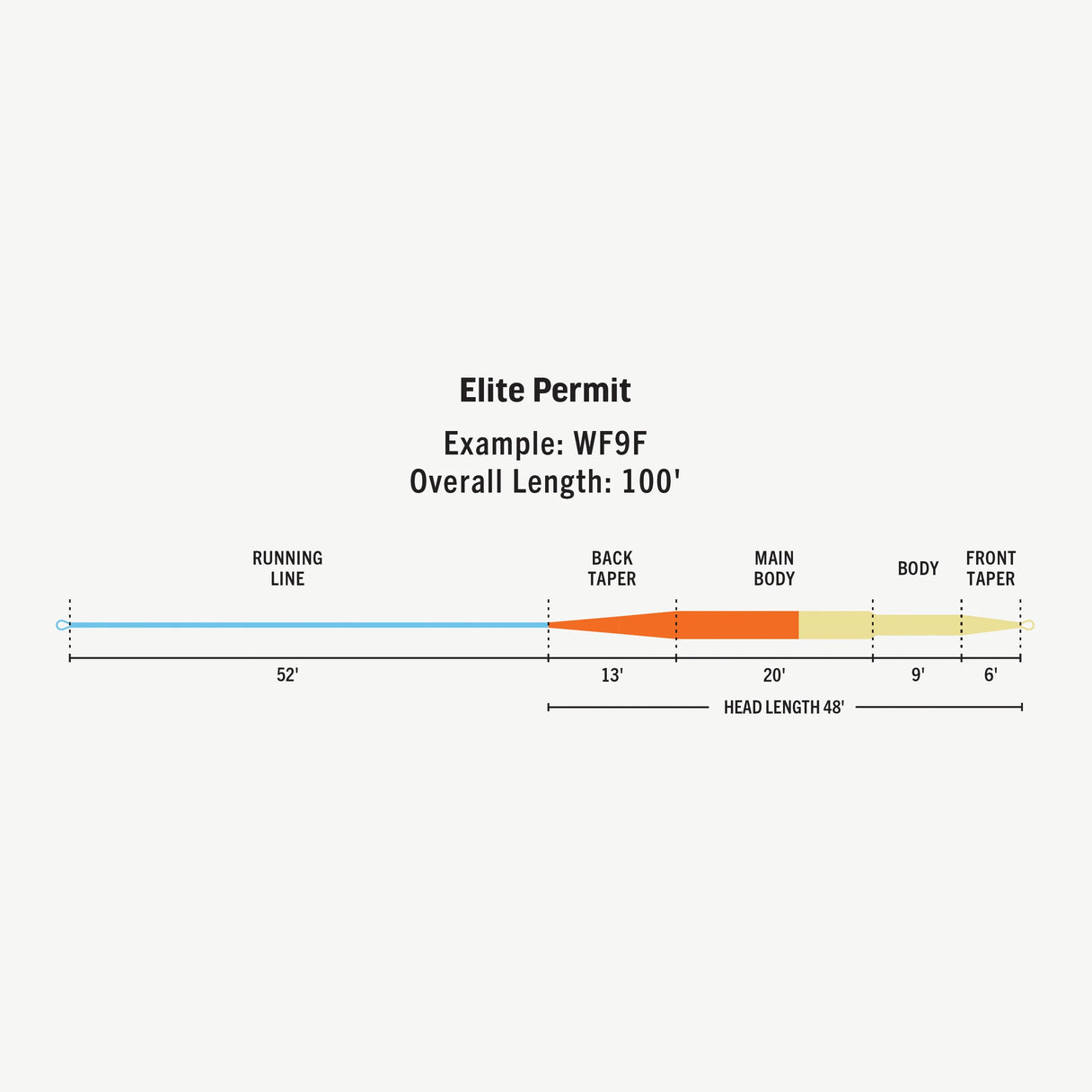
The front taper is designed for soft fly entry — enough front taper length to dissipate energy gradually at the leader junction so the fly lands without a splash that sends a fish down. The weight distribution puts enough mass in the head to turn over a heavy crab pattern in wind without requiring a delivery stroke that disturbs the fish. The long rear taper is the other essential design element: permit change direction, and when they do, you need to pick up and recast without a full false cast sequence. The long rear taper allows fast repositioning and a quick second shot.
Features
• Soft Front Taper — Designed specifically for permit presentations. The front taper and weight distribution produce a gentle fly entry that avoids the splash or disturbance that puts wary permit down.
• Long Back Taper — Allows fast pickup and second-shot casts without a full false cast sequence. Essential for permit fishing where fish change direction between shots.
• Easy-Loading Taper — Loads at close range with minimal false casting, keeping the fly in position and reducing the time between shots.
• DirectCore Low-Stretch — Transmits strip set energy directly to the hook. Low memory; easy to anneal in tropical heat; lies flat without coiling.
• SlickCast Coating — Minimal guide friction for extended shooting distance. Durable in tropical conditions.
• Available 8–10 wt — The permit-specific weight range. 100ft / 30.5M total length. Floating only.
• Welded Loops — Front and rear. Tropi-Core formulation. Not suitable for cold water.
Rod Pairing
| Rod Action | Pairing | Notes |
|---|---|---|
| Fast Action | Ideal | The easy-casting taper and long back taper load fast-action rods at close range and allow fast second-shot casts without full line pickup. |
| Medium-Fast Action | Works Well | Performs well on medium-fast rods. The long back taper and moderate front taper suit medium-fast action with consistent loop control at typical permit distances. |
| Medium Action | Use with Care | Manageable at shorter ranges, but the 9 and 10 wt head weights can overload softer medium-action rods at extended distances. Consider stepping down a line weight if using a softer rod. |
Size Guide
| Line Weight | Head Length | Total Head Weight | 30ft Head Weight | Species / Technique |
|---|---|---|---|---|
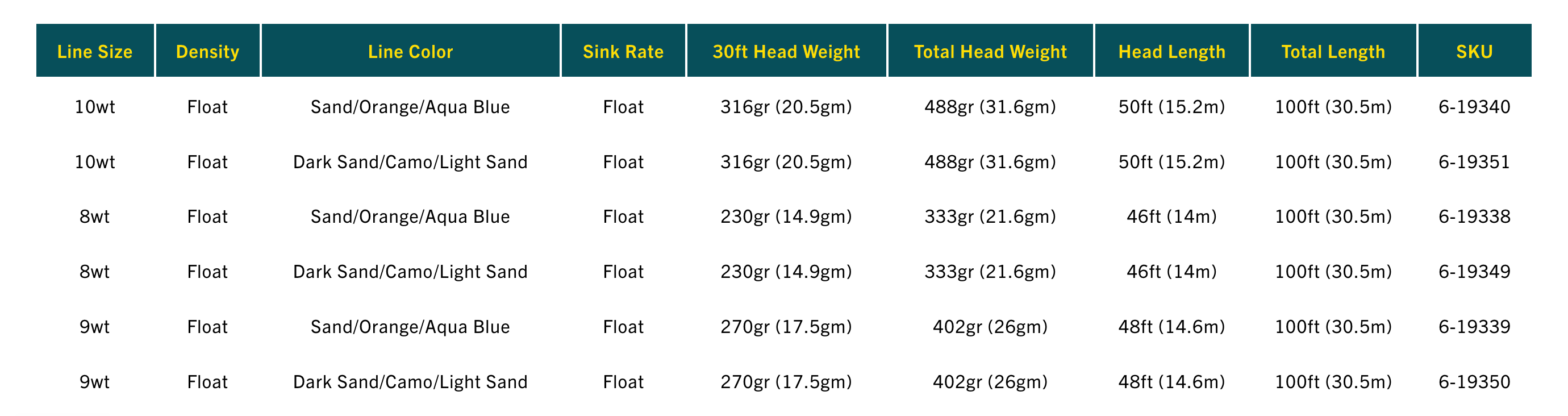
| WF-8-F | 46ft / 14M | 333gr / 21.6g | 230gr / 14.9g | Light permit, bonefish, baby tarpon, triggerfish, redfish, snook |
| WF-9-F | 48ft / 14.6M | 402gr / 26g | 270gr / 17.5g | All-around permit, juvenile tarpon, triggerfish; the standard permit weight for most flats destinations |
| WF-10-F | 50ft / 15.2M | 488gr / 31.6g | 316gr / 20.5g | Permit in heavy wind; larger crab patterns; situations requiring maximum fly delivery power |
FAQ
What are the parts of a fly line and what does each section do?
A weight-forward fly line has five sections: Running Line: The thin, level back section that shoots through guides. The Elite Permit’s running line uses SlickCast for minimal guide friction and extended shooting distance. Rear Taper: The transition from running line to belly. The Elite Permit features a long rear taper — one of the line’s central design features. A longer rear taper allows more line to be picked up and repositioned quickly without a full false cast sequence, which is critical for permit fishing where a fish may change direction between shots and a fast second cast is required. Belly: The thickest section and primary weight carrier. Head lengths increase from 46ft at 8 wt to 50ft at 10 wt — long enough to carry in the air at typical permit distances but not so long as to require extended false casting before the shot. Front Taper: The critical design element for permit fishing. The Elite Permit’s front taper is specifically described by RIO as being designed for soft presentations — it dissipates energy gradually at the fly end so the leader turns over and the fly enters the water without the splash or disturbance that a more aggressive front taper would produce. This is the front taper’s most important job on a permit line. Tip: The final section where the leader connects via a welded loop.
Why does permit fishing require a different line than bonefish fishing?
Several reasons, each reflected in the Elite Permit’s design. Presentation requirements: Permit inspect their food carefully and reject presentations that look or sound wrong. A fly entering the water with a splash — caused by a front taper that dumps energy abruptly at the leader junction — is often enough to put a fish down. The Elite Permit’s front taper is designed to produce a soft fly entry. Fly size: Permit crab patterns are larger and more air-resistant than typical bonefish flies. The line needs enough weight to turn over a heavy crab or shrimp pattern against wind without requiring a delivery stroke that disturbs the fish. The 8–10 wt range and graduated head weights address this. Second shot speed: Permit are unpredictable. A fish may change direction or reject the first fly before it can be stripped. The long rear taper on the Elite Permit allows the angler to pick up and recast quickly with less false casting than a standard taper requires — keeping the fly in front of the fish for a second opportunity. Distance variability: Permit present at a wide range of distances, from very close to over 60 feet. The head length (46–50 feet) and weight distribution are calibrated to load the rod at both close and moderate distances without requiring a major adjustment in casting tempo.
What is DirectCore and why does it matter?
DirectCore is RIO’s low-stretch core technology. Standard fly line cores stretch under load — when you strip set on a permit, core stretch absorbs some of the set energy before it reaches the hook. DirectCore’s reduced stretch transmits more of the strip set energy directly to the hook point, improving hookup rate on the strip set. The core is also notably easy to anneal (stretch out by hand before fishing), which helps it lie flat and memory-free in tropical heat.
Which weight should I choose?
The 8 wt is appropriate for anglers who also target bonefish on the same setup and want a line that handles both species reasonably well, or for permit fishing in lighter wind with smaller fly patterns. It is the least common permit-specific weight. The 9 wt is the standard permit weight for most destinations and most conditions. It handles a full range of crab and shrimp patterns in moderate wind, provides enough mass to cast at longer distances, and is the weight most permit guides use as a default. The 10 wt is the choice for consistent heavy wind, heavy fly patterns , or anglers who prefer a heavier overall setup.

Product Video