Lodging Details
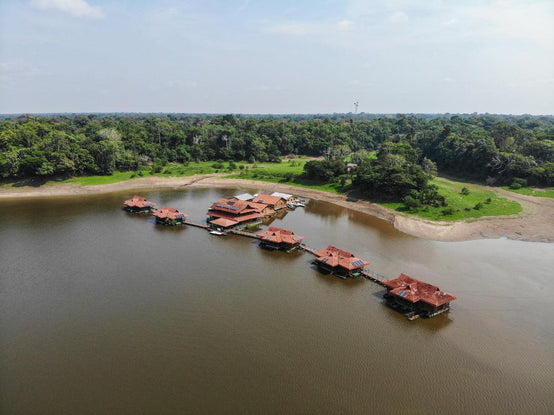
The island camp on the Lower Zambezi is intentionally simple, comfortable, and deeply connected to its surroundings. Set beneath a canopy of mature natal mahogany trees, the camp consists of five spacious, walk-in canvas safari tents, each positioned to take full advantage of river views and passing wildlife. The tents are well-appointed and thoughtfully designed, featuring double or twin bed configurations with high-quality linens, bedside tables, reading lights, and charging outlets, and solar lighting and fans for comfort. Tents also features private, open-air, en-suite bathrooms with flush toilets and bucket showers as well as a private seating area overlooking the river. The open-air bathrooms provide a true bush experience, with hot water available on request and the sounds of the river and surrounding wildlife ever-present.
The central camp area includes a canvas-covered dining area, a small bar, and a full lounge and seating area. Meals are shared communally, often followed by evenings around the campfire. The atmosphere is relaxed, intimate, and authentic – always focused more on experience than excess. The entire camp is unfenced, which means that wildlife frequently moves through the area. It is not uncommon to see elephants, hippos, or other animals passing near or even through camp, particularly in the early morning or evening hours. This level of immersion is a defining characteristic of the location and the overall experience.
Food and Beverages
The meals served at the safari camp are nothing short of exceptional, and the cuisine is far beyond anything you might expect at a remote wilderness camp. For anglers, a quick and light breakfast, coffee and tea service is set up each morning prior to fishing, with additional snacks and coffee packed in the boat. After a full morning session that usually last between four and five hours, anglers then return to the lodge for a full lunch (served in the dining tent) followed by an afternoon nap and break period – perfect for escaping that afternoon heat. Dinners are served later in the evening (usually between 7:00 and 8:00 PM) and include gourmet appetizers, main courses, wines, and deserts. The quality and presentation of the food far exceeds the typical expectations of a remote bush operation in the wilds of Africa!
Typical Length of Stay
While custom trips of varying lengths can occasionally be arranged (depending on time of year), this is a program that is built around fixed weekly rotations of a seven nights with six fishing and game-viewing days.
Non-Angling Activities and Options
While fishing is often a key component or important element of these trips, the Lower Zambezi program overall is primarily defined by its exceptional wildlife and diverse safari activities. This region is widely regarded as one of the best game-viewing destinations in all of Southern Africa, with high concentrations of elephant, buffalo, hippo, cats, as well as a huge diversity of plains game. Major predators including lion, leopard, and African wild dogs are all present throughout the park, and sightings are common. Photography is a passion of the operators, and the guiding team fully understands and appreciates light, angles and of course wildlife behavior.
In addition to fishing, guests can enjoy walking safaris led by highly trained guides, canoe excursions through quiet side channels and backwaters of the main river, boat-based wildlife viewing, day and night game drives in specially outfitted safari vehicles, and riverside lunches and sundowners. The ability to seamlessly move between fishing and traditional safari activities is what sets this program apart, and few “fishing” destinations in Africa offer this level of diversity in such a remote and uncrowded setting.
About the Lower Zambezi National Park
Stretching across roughly 1.6 million acres (over 4,000 square kilometers) along the northern banks of the Zambezi River, Lower Zambezi National Park remains one of Africa’s most under-visited and unspoiled wilderness areas. Unlike many of the continent’s more famous parks, the Lower Zambezi sees only a fraction of the traffic, largely due to its limited road network and reliance on small aircraft access – factors that help preserve its wild, uncrowded character. What sets this park apart is its unique combination of habitats, from river channels and islands to floodplains and escarpment woodlands, all supporting an incredible density of wildlife. Large herds of elephant and buffalo are common along the river, hippos and crocodiles dominate the channels, and predators such as lion, leopard, and wild dog are all well established. The park also offers a rare level of flexibility in how it can be experienced, with opportunities for walking safaris, canoeing, boating, and fishing – often all in the same day. For those seeking a more authentic, less commercialized safari, the Lower Zambezi delivers a deeper sense of immersion and connection to the landscape than nearly anywhere else in Africa.
Internet / Communications
The lodge offers Starlink internet service in a designated “Wi-Fi” zone in camp. Mobile coverage is available in Zambian cities and many towns, although guests should confirm compatibility with their home carrier prior to travel. There is no cell coverage in camp, although apps like WhatsApp works well off of Starlink.
How to Get There
Most guests access the Lower Zambezi via Kenneth Kaunda International Airport in Lusaka, Zambia. From there, a short charter flight of approximately 40 minutes delivers guests to a bush airstrip within the national park. Upon arrival, camp staff will meet you and transfer you by vehicle or boat directly to camp. The entire process is smooth, efficient, and well-coordinated, making what feels like a remote destination surprisingly accessible.
Arrival and Departure Details / Times
When traveling to Zambia via the capital of Lusaka, there are daily, direct flights from Johannesburg, Dubai, Doha, Dar Es Salaam, Nairobi, and Addis Ababa. Guests often fly to Johannesburg, do a quick overnight at an airport hotel, and then fly to Lusaka early the following morning. Once you land in Lusaka, a representative from the charter flight company will meet you at the international arrival area and walk you to the smaller domestic terminal for your check in. When booking tickets to and from Lusaka, be sure that on the front end of your trip you arrive prior to 14:00 and depart on the back end no earlier than 14:00. The in-country charter flight is included in your package. The Lusaka airport is small, easy-to-navigate, friendly, and clean, and the check-in process is always quick and easy. After a quick flight of approximately 40 minutes, you will land at a small airstrip in the national park, where lodge staff will meet you and transfer you via safari vehicle or boat directly to camp. If arrival times allow, anglers can often get set up and head out fishing shortly after arriving.
Documents Required
U.S. citizens traveling to Zambia or any other countries in Africa must have a valid U.S. passport that is valid for at least six months beyond the date of arrival and contains blank pages for entry and exit stamps. Visitors may also be asked to provide proof of onward or return travel as well as confirmation of lodging or travel arrangements during their stay. Presenting a hard copy of your Yellow Dog trip itinerary will easily suffice.
Travel Arrangements
Yellow Dog provides airline reservations ad ticketing assistance through etcTravel Group, and a full-service airline logistics agent that can help book airline tickets, hotels, rental cars, and more. You can click here to request a quote or contact Yellow Dog for more information at 406-585-8667. etcTravel Group offers dedicated support services for all Yellow Dog clients. Service fees may apply when booking or researching tickets, and etcTravel will discuss this with you before sending quotes.
Travel Tools
– Airline Ticketing
– Moon Phases
– Rent This Rod
– Trip Insurance and Emergency Evacuation
– Global Rescue Membership
General Information
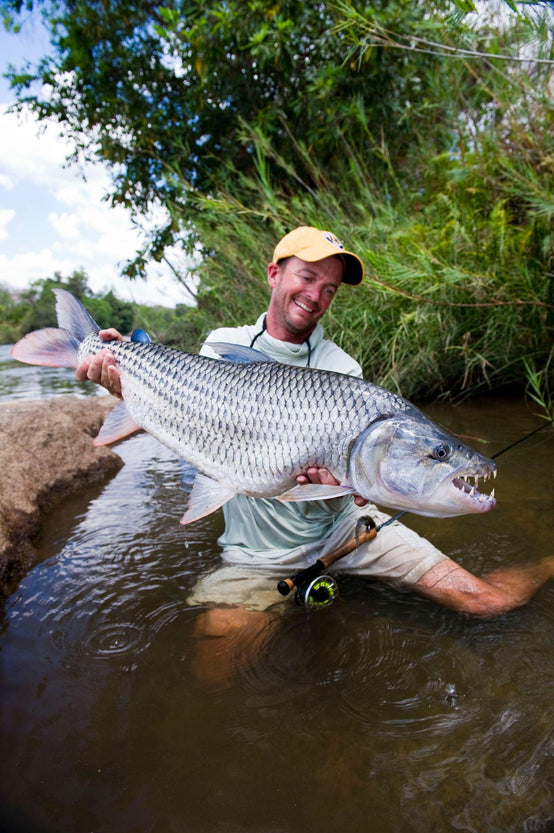
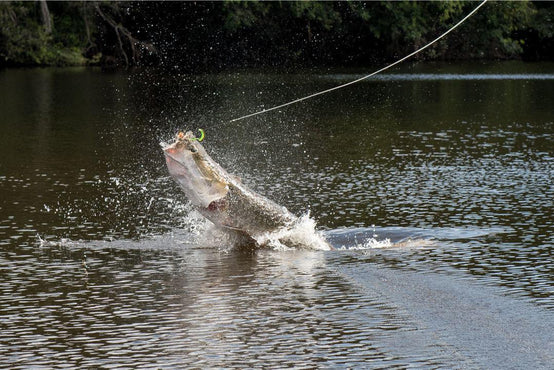
The Zambezi River is home to the mighty African tigerfish – one of the most sought-after freshwater game fish in the world. Known for explosive takes, blistering runs, and a set of razor-sharp teeth, tigerfish are widely regarded as one of the hardest-hitting and most exciting species an angler can pursue on fly. Fishing on the Lower Zambezi is both visual and dynamic, and anglers typically target structure, current seams, drop-offs, and back channels while casting and retrieving flies through likely holding water where tigerfish ambush prey. This is never passive or easy fishing, and success is often based on solid casting skills, an aggressive strip, and the ability to stay composed when a violent and immediate eat happens.
One of the defining aspects of this specific program is the unique collaboration and partnership between a seasoned tigerfish outfitter and a highly respected safari operation. The result is a well-rounded experience that balances serious fishing with the broader context of a true African safari. It is important to note that when it comes to tigerfish, this is usually not a numbers-driven fishery. What this program offers instead is a deeply immersive, highly experiential journey into one of Africa’s last great wild places – where fishing, wildlife, and landscape all come together in a way that is increasingly rare.
Fishing is conducted from custom-built aluminum power boats designed specifically for the Zambezi. These boats feature large casting decks, stable platforms, and the ability to both motor and maneuver quietly into position using oars. The guides are experienced in reading water, positioning anglers, and dialing in the correct presentation for the conditions at hand. A typical fishing day begins early, with coffee before sunrise and time on the water focused on the prime morning window. Midday is reserved for a return to camp, lunch, and rest during the heat of the day. Afternoon sessions may include additional fishing or transition into game drives and wildlife viewing, depending on guest preference. This is a flexible program, and one of its greatest strengths is the ability to tailor each day based on conditions, wildlife activity, and what guests want to experience.
Season and Conditions
The Lower Zambezi is a tailwater system below Lake Kariba, meaning water flow is regulated and the risk of flooding is relatively low. This creates more stable and predictable fishing and safari conditions compared to many free-flowing river systems. The Lower Zambezi changes meaningfully through the season. Water level, clarity, vegetation, wildlife movement, and fishing conditions all shift as the year progresses.
The Lower Zambezi fishing and safari season typically operates over two distinct seasons: a spring season in April, and a fall season in November. April follows the rainy season. The bush is green, the river begins to settle, and temperatures are generally comfortable. Warm water temperatures, new fish recruits, and juvenile baitfish in the system create strong feeding dynamics and good reasons for tigerfish to remain active in and around structure. Overall, April offers a balanced combination of good fishing conditions, comfortable weather, and a vibrant, post-rainy-season environment. This is also a month that sees fewer visitors to the park, making it an excellent time for those seeking solitude and scenic beauty.
November is a late dry-season window defined by heat, low water levels, and concentrated wildlife activity along the river. This is a prime tigerfishing window, as water levels have dropped and warmer (at times hot) temperatures trigger more aggressive feeding behavior from fish. These late-season months are widely considered the best time for anglers whose main focus for the trip is tigerfish action. The river system is typically at its lowest and cleanest, creating well-defined structure and strong opportunities for targeting larger, pre-spawning tigerfish. There is a possibility of early, unseasonal rains, which may influence river clarity and conditions.
The Species
While tigerfish are the primary focus on the Lower Zambezi, the diversity of species found in this river system can at times add depth, variety, and novelty throughout the course of a trip. Anglers spend the majority of their time targeting tigerfish, but encounters with other species are common and often provide a change of pace or a serious test of strength and endurance. From hard-fighting bream in the shallows to massive catfish lurking in deeper channels, the Zambezi offers a well-rounded and dynamic freshwater fishery.
Tigerfish
The undisputed star of the Zambezi, tigerfish are powerful, aggressive predators known for explosive takes and blistering runs. Fish in this system commonly range from 2 to 8 pounds, with larger specimens pushing into the 10–15-pound class. While numbers can vary depending on conditions, the opportunity to connect with quality fish in a truly wild setting is always present.
Vundu Catfish
A true heavyweight of the river, the Vundu is one of Africa’s largest freshwater fish, capable of reaching weights approaching 100 pounds. These fish are incredibly strong and notoriously difficult to land, offering a serious challenge for anglers lucky enough to hook one.
Bream (Multiple Species)
The Lower Zambezi holds several species of bream, including redbreast tilapia, Nile tilapia, and the thinface largemouth bream. These fish are often found in shallower water and provide consistent action with aggressive takes and surprising strength relative to their size.
Chessa & Nkupi
Both species are common throughout the system and are known for their aggressive behavior and willingness to eat. They are often encountered while fishing for tigerfish and can provide fast-paced, action-oriented angling.
Cornish Jack
A lesser-seen and primarily nocturnal predator, the Cornish Jack is a unique species found in the Zambezi. While not commonly targeted, it remains an interesting and memorable addition for anglers exploring the river system.
Bottlenose (Elephant Fish)
Found in deeper channels, the bottlenose is a fascinating and somewhat unusual species, recognized by its elongated, trunk-like snout. Fish up to 10 pounds are possible, adding yet another layer of diversity to the fishery.
Typical Fishing Day
A typical day begins early with a coffee and tea session before first light – usually around 5:30 AM. Tigerfish are often-times most active first thing in the morning, so being on the water early is always the goal. A selection of light breakfast snacks (including more coffee and tea) are also packed in the boats each morning. After a focused early morning session, anglers typically return to the lodge around 11:00-11:30 AM. Lunch is then served in the main dining area before guests enjoy an afternoon siesta and an escape from the Zambezi heat. While an evening fishing session from 3:00-6:00 PM is always an option, many guests prefer an afternoon game drive that extends into the evening hours and usually returns in the dark. This is prime game-viewing time, as the animals become active as the sun is setting – with many species such as a lions, leopards and African Hunting Dogs waking for evening hunting sessions.
Boats and Equipment
Our fishing outfitter has designed and purpose-built 18.5-foot aluminum power boats that are perfect for the Lower Zambezi fishery. These boats provide fast access along the main river while maintaining a shallow draft and tight maneuverability for smaller channels, islands, and confined water. Each boat features large casting decks, outboard motors, and an oar-and-rowing set-up similar to the jet sleds that are used on many Alaskan and US West rivers. This unique design allows guides to position anglers in ideal situations for castings into the banks, fishing key structure, or swinging and stripping flies over drop-offers and in deeper water. For fishing equipment, flies, and terminal tackle, anglers should plan on bringing 100% of what will be needed for their time on the Zambezi. There is nothing available at the safari camp or anywhere in Zambia for that matter, so plan on having what you will need for all fishing scenarios and situations. Yellow Dog will provide detailed gear and packing lists for the fishery, and all relevant equipment (including tigerfish fly assortments) is available through the Yellow Dog Fly Shop.
Package Rates
Remember that Yellow Dog’s services are completely free! When you book a trip with Yellow Dog, you never pay more than when you book directly with the lodge or outfitter. Note that rates are based on double occupancy lodging and shared fishing of two anglers per fishing guide / boat. Single supplement packages are available based on availability, and Yellow Dog will be happy to provide custom quotes. Non-anglers accompanying anglers can be quoted at a special rate as well. Please contact Yellow Dog for details.
2027 Rates (Per Person and Based on Double Occupancy/ Shared Fishing)
- Spring Rates (April) = $8900 per person
- Fall Rates (November) = $11,250 per person
2028 Rates
- Spring Rates (April) = $9500 per person
- Fall Rates (November) = $11,850 per person
What’s Included:
- All airport meet-and-greet services at Lusaka airport
- Round trip flights from Lusaka to camp on the Lower Zambezi
- All safari camp accommodation on river
- All meals in camp
- Daily guided fishing
- Boats and fuel for daily fishing
- Daily game drives and other non-angling camp activities
- All beverages including beer, wine and non-alcoholic drinks
- Daily laundry services
What’s Not Included:
- International airfare to Zambia
- Pre and post-trip accommodations in Zambia (if necessary)
- Travel and medical evac insurance (mandatory)
- Fishing tackle, equipment, and flies (available through Yellow Dog)
- Overweight baggage fees on domestic flights and charters
- Gratuities for fishing guides and camp staff
The safari is structured around fixed weekly rotations.
- April weeks: Sunday to Sunday
- November weeks: Wednesday to Wednesday
The standard program is based on:
- Seven (7) Nights
- Six (6) full fishing or guided activity days
- Daily guided fishing from boats
- Flexible safari activities depending on conditions
Shorter or extended stays may be possible in selected cases, but these are treated as custom arrangements and are subject to camp availability and advance planning.
Payment Terms for All Yellow Dog Trip Bookings
Unless otherwise noted on your invoice, for all trips less than 90 days out, full payment is required after receipt of the confirmation email to secure guides and reservations. For trips outside of 90 days, a 50% deposit is required upon receipt of confirmation email to confirm your reservations.
Yellow Dog accepts on-line payments via a secure payment portal – a quick and easy way to complete your trip reservation. Please reach out to accounting@yellowdogflyfishing.com to gain access.
Yellow Dog Flyfishing Standard Forms of Payment
- Debit card (fee-free) and credit card (3% convenience fee) - to pay via card please utilize the customer payment portal. If you need assistance, reach out to 406-585-8667 ext. #3
- Wires - please include name and/or invoice number for reference on your wire. Please reach out to accounting@yellowdogflyfishing.com for wiring instructions. (client is responsible for wiring fees)
- Physical check - please include your invoice number in the memo. Mail checks to 213 S. Willson Ave. Bozeman, MT, 59715
If you have any questions about alternate payment methods, please contact Yellow Dog at (406) 585-8667 ext. #3. We are available Monday through Friday, 9:00 AM to 5:00 PM MT.
Specific Terms and Conditions for Lower Zambezi Trip Packages
The African Tiger Camp program offered through Yellow Dog Flyfishing is presented by Goliath Expeditions in partnership with Classic Zambia Safaris. For standard trip bookings, a 50% deposit is required to confirm all reservations and must be received within 14 business days of booking confirmation. The remaining balance and full payment is due 90 days prior to arrival. All payments must be made in U.S. Dollars (USD). Trip prices may include services provided by third parties such as domestic airlines, transfers, or other logistical providers. Because of this, and due to potential changes in taxes, fuel surcharges, or government-imposed fees, prices may be subject to adjustment prior to arrival if external costs change.
Per the terms of our Zambezi outfitter and operator (Goliath Expeditions in partnership with Classic Zambia Safaris), all cancellations or reservation changes must be submitted in writing. Deposits are refundable minus a 20% cancellation penalty if written notice is received more than 150 days prior to arrival. Alternatively, the full deposit may be applied as a credit toward a future trip booked within one year of the original reservation date, subject to availability. For cancellations made between 90 and 150 days prior to arrival, 50% of the total trip cost will be forfeited, while the remaining 50% may either be refunded or applied to a future trip within one year of the original reservation date. For cancellations made 90 days or less prior to arrival, no refunds or credits are provided. However, if a suitable replacement guest is found for the same dates, the reservation may be transferred, typically minus a 10% administrative penalty. Please note that payments already made to third-party providers (such as local airlines) may be deducted from refunds or charged to replacement guests unless those providers issue their own credit.
Our Zambezi outfitter and safari camp operators reserve the right to modify itineraries or travel arrangements when necessary, due to weather, transportation schedules, safety considerations, government regulations, or other circumstances beyond its control. No refunds will be issued for unused portions of a trip, no-shows, travel delays, or interruptions resulting from events such as weather, force majeure, airline schedule changes, civil disturbances, strikes, quarantine requirements, theft, or other factors outside the operator’s control. In the unlikely event that our Lower Zambezi operators must cancel a confirmed reservation, all payments received will either be refunded or credited toward a future trip.
Guests are required by the operator / outfitter to purchase comprehensive travel insurance, including coverage for trip cancellation, interruption, delays, lost baggage, medical expenses, and medical evacuation. “Cancel For Any Reason” coverage is highly recommended to protect against unforeseen circumstances such as illness, family emergencies, weather disruptions, or work obligations. Yellow Dog Flyfishing cannot act as an insurance provider and cannot assume financial responsibility for cancellations or interruptions that are not covered by the policies outlined above.
Flyfishing travel and outdoor activities inherently involve certain risks, including travel by boat, vehicle, small and large aircraft, or on foot in remote environments. By confirming a reservation and submitting a deposit, guests acknowledge and accept these inherent risks associated with fishing and adventure travel. Yellow Dog Flyfishing, its owners, employees, agents, and partners assume no responsibility for personal injury, illness, loss, or damage to personal property resulting from circumstances beyond their control, including transportation delays, weather events, government restrictions, or other unforeseen conditions. Personal belongings, including fishing equipment and luggage, remain the sole responsibility of the guest at all times.
Participation in a Yellow Dog Flyfishing Zambia trip constitutes acknowledgment and acceptance of these policies and an agreement to release and hold harmless the operator and its partners from claims related to participation in these activities, except where otherwise required by applicable law.
2026 African Tiger Camp Trip Report
Yellow Dog Insider Perspective
This is one of the most interesting and well-rounded programs we have found anywhere in Africa. The combination of a known tigerfish fishery and a proven safari operation creates something that stands apart from both traditional fishing trips and standard safari itineraries. The setting is exceptional, the wildlife is abundant, and the experience is authentic in every sense. For the right traveler – especially those looking to balance fishing with a broader African adventure – this is a program that consistently overdelivers.
What makes the Lower Zambezi program different from other African fishing trips?
This program is a true hybrid, combining legitimate tigerfish angling with a fully immersive African safari experience. Unlike many destination fisheries that are singularly focused on fishing, the Lower Zambezi offers an incredible balance of time on the water and time exploring one of Africa’s most wildlife-rich national parks. The ability to seamlessly transition between fishing, game drives, walking safaris, and river-based activities is what sets this experience apart.
How good is the tigerfishing on the Lower Zambezi?
The Lower Zambezi is known as a legitimate African destination when it comes to tigerfish. That said, it is important to approach this fishery with the right expectations. This is not a numbers-driven fishery, and success is almost always tied to good casting, proper presentation, and patience. What this fishery usually offers is the chance to target quality fish in a spectacular and truly wild setting. For anglers who appreciate the challenge, it is an incredibly rewarding experience.
What skill level is required for this trip?
This program is best suited for intermediate to experienced anglers. The ability to cast efficiently, manage line, and maintain an active retrieve is important when targeting tigerfish. That said, beginners are welcome, and guides are more than capable of providing instruction and support. Anglers should be prepared for fast-paced, aggressive fishing scenarios when opportunities present themselves.
Can non-anglers join this trip?
Absolutely. This is one of the best Africa programs we offer for mixed-interest groups. Non-anglers can fully enjoy the safari experience, including game drives, walking safaris, canoeing, birding, and wildlife photography. The camp and overall program are designed to accommodate both anglers and non-anglers seamlessly.
What does a typical day look like?
Days usually begin early with coffee before sunrise and a morning fishing session or safari activity. Late morning and midday are spent back in camp for lunch and relaxation during the heat of the day. Afternoons can include additional fishing, boating, or game drives, often extending into the evening for prime wildlife viewing. Each day is flexible and can be tailored to guest preferences.
How physically demanding is this trip?
The trip is moderately active but not overly strenuous. Fishing is primarily done from boats, and while walking safaris are available, participation is optional. Guests should be comfortable moving in and out of boats and walking short distances in uneven terrain. Overall, the experience can be adapted to suit a wide range of fitness levels.
What are the accommodations like?
Accommodations are comfortable, well-appointed, and intentionally designed to reflect the surrounding wilderness. Guests stay in spacious canvas safari tents with en-suite bathrooms, flush toilets, and bucket showers. The camp is intimate and relaxed, with a maximum of ten guests, creating a personalized and highly authentic bush experience.
Is the camp safe with wildlife so close?
Yes, but it is important to understand that this is a true wilderness setting. The camp is unfenced, and wildlife often moves through the area. Experienced guides and staff are always present to assist and accompany guests to and from their tents, and safety protocols are strictly followed. This proximity to wildlife is part of what makes the experience so unique and memorable.
How do I get to the camp?
Most guests fly into Kenneth Kaunda International Airport. From Lusaka, a short charter flight (approximately 40 minutes) takes you directly into the Lower Zambezi, where camp staff will meet you and transfer you to camp by vehicle or boat.
Is there internet or cell service in camp?
The camp offers Starlink Wi-Fi in a designated area, allowing guests to stay connected if needed. However, there is no traditional cell service in camp, which helps maintain the remote and unplugged nature of the experience.
What gear do I need to bring?
Anglers should plan on bringing all necessary fishing equipment, including rods, reels, lines, flies, and terminal tackle. There is no gear available for purchase in camp or nearby. Yellow Dog provides detailed packing lists and can assist with assembling destination-specific gear packages through the Yellow Dog Fly Shop.
What is the best time of year to go?
The season runs from April through November. April through June offers greener landscapes and fewer visitors, while July and August bring cooler temperatures and excellent wildlife viewing. September through November is considered prime time for tigerfishing, with lower water levels and more aggressive fish behavior.
Can this trip be combined with other destinations?
Yes, and this is one of the biggest advantages of the Zambia program. The Lower Zambezi pairs exceptionally well with other African destinations, including South Africa, Tanzania, the Seychelles, and other Indian Ocean fisheries. It is an ideal add-on for anglers looking to build a more diverse and well-rounded Africa itinerary.
The Lower Zambezi Tigerfishing Safari is ideally suited for:
- Anglers looking for a unique, multi-dimensional fishing experience
- Travelers who want to combine flyfishing with a true African safari
- Couples or small groups where not everyone is fishing
- Adventurous anglers who appreciate remote settings and wild environments
- Repeat Africa travelers seeking something less crowded and more authentic
Lodging Details
The island camp on the Lower Zambezi is intentionally simple, comfortable, and deeply connected to its surroundings. Set beneath a canopy of mature natal mahogany trees, the camp consists of five spacious, walk-in canvas safari tents, each positioned to take full advantage of river views and passing wildlife. The tents are well-appointed and thoughtfully designed, featuring double or twin bed configurations with high-quality linens, bedside tables, reading lights, and charging outlets, and solar lighting and fans for comfort. Tents also features private, open-air, en-suite bathrooms with flush toilets and bucket showers as well as a private seating area overlooking the river. The open-air bathrooms provide a true bush experience, with hot water available on request and the sounds of the river and surrounding wildlife ever-present.
The central camp area includes a canvas-covered dining area, a small bar, and a full lounge and seating area. Meals are shared communally, often followed by evenings around the campfire. The atmosphere is relaxed, intimate, and authentic – always focused more on experience than excess. The entire camp is unfenced, which means that wildlife frequently moves through the area. It is not uncommon to see elephants, hippos, or other animals passing near or even through camp, particularly in the early morning or evening hours. This level of immersion is a defining characteristic of the location and the overall experience.
Food and Beverages
The meals served at the safari camp are nothing short of exceptional, and the cuisine is far beyond anything you might expect at a remote wilderness camp. For anglers, a quick and light breakfast, coffee and tea service is set up each morning prior to fishing, with additional snacks and coffee packed in the boat. After a full morning session that usually last between four and five hours, anglers then return to the lodge for a full lunch (served in the dining tent) followed by an afternoon nap and break period – perfect for escaping that afternoon heat. Dinners are served later in the evening (usually between 7:00 and 8:00 PM) and include gourmet appetizers, main courses, wines, and deserts. The quality and presentation of the food far exceeds the typical expectations of a remote bush operation in the wilds of Africa!
Typical Length of Stay
While custom trips of varying lengths can occasionally be arranged (depending on time of year), this is a program that is built around fixed weekly rotations of a seven nights with six fishing and game-viewing days.
Non-Angling Activities and Options
While fishing is often a key component or important element of these trips, the Lower Zambezi program overall is primarily defined by its exceptional wildlife and diverse safari activities. This region is widely regarded as one of the best game-viewing destinations in all of Southern Africa, with high concentrations of elephant, buffalo, hippo, cats, as well as a huge diversity of plains game. Major predators including lion, leopard, and African wild dogs are all present throughout the park, and sightings are common. Photography is a passion of the operators, and the guiding team fully understands and appreciates light, angles and of course wildlife behavior.
In addition to fishing, guests can enjoy walking safaris led by highly trained guides, canoe excursions through quiet side channels and backwaters of the main river, boat-based wildlife viewing, day and night game drives in specially outfitted safari vehicles, and riverside lunches and sundowners. The ability to seamlessly move between fishing and traditional safari activities is what sets this program apart, and few “fishing” destinations in Africa offer this level of diversity in such a remote and uncrowded setting.
About the Lower Zambezi National Park
Stretching across roughly 1.6 million acres (over 4,000 square kilometers) along the northern banks of the Zambezi River, Lower Zambezi National Park remains one of Africa’s most under-visited and unspoiled wilderness areas. Unlike many of the continent’s more famous parks, the Lower Zambezi sees only a fraction of the traffic, largely due to its limited road network and reliance on small aircraft access – factors that help preserve its wild, uncrowded character. What sets this park apart is its unique combination of habitats, from river channels and islands to floodplains and escarpment woodlands, all supporting an incredible density of wildlife. Large herds of elephant and buffalo are common along the river, hippos and crocodiles dominate the channels, and predators such as lion, leopard, and wild dog are all well established. The park also offers a rare level of flexibility in how it can be experienced, with opportunities for walking safaris, canoeing, boating, and fishing – often all in the same day. For those seeking a more authentic, less commercialized safari, the Lower Zambezi delivers a deeper sense of immersion and connection to the landscape than nearly anywhere else in Africa.
Internet / Communications
The lodge offers Starlink internet service in a designated “Wi-Fi” zone in camp. Mobile coverage is available in Zambian cities and many towns, although guests should confirm compatibility with their home carrier prior to travel. There is no cell coverage in camp, although apps like WhatsApp works well off of Starlink.
How to Get There
Most guests access the Lower Zambezi via Kenneth Kaunda International Airport in Lusaka, Zambia. From there, a short charter flight of approximately 40 minutes delivers guests to a bush airstrip within the national park. Upon arrival, camp staff will meet you and transfer you by vehicle or boat directly to camp. The entire process is smooth, efficient, and well-coordinated, making what feels like a remote destination surprisingly accessible.
Arrival and Departure Details / Times
When traveling to Zambia via the capital of Lusaka, there are daily, direct flights from Johannesburg, Dubai, Doha, Dar Es Salaam, Nairobi, and Addis Ababa. Guests often fly to Johannesburg, do a quick overnight at an airport hotel, and then fly to Lusaka early the following morning. Once you land in Lusaka, a representative from the charter flight company will meet you at the international arrival area and walk you to the smaller domestic terminal for your check in. When booking tickets to and from Lusaka, be sure that on the front end of your trip you arrive prior to 14:00 and depart on the back end no earlier than 14:00. The in-country charter flight is included in your package. The Lusaka airport is small, easy-to-navigate, friendly, and clean, and the check-in process is always quick and easy. After a quick flight of approximately 40 minutes, you will land at a small airstrip in the national park, where lodge staff will meet you and transfer you via safari vehicle or boat directly to camp. If arrival times allow, anglers can often get set up and head out fishing shortly after arriving.
Documents Required
U.S. citizens traveling to Zambia or any other countries in Africa must have a valid U.S. passport that is valid for at least six months beyond the date of arrival and contains blank pages for entry and exit stamps. Visitors may also be asked to provide proof of onward or return travel as well as confirmation of lodging or travel arrangements during their stay. Presenting a hard copy of your Yellow Dog trip itinerary will easily suffice.
Travel Arrangements
Yellow Dog provides airline reservations ad ticketing assistance through etcTravel Group, and a full-service airline logistics agent that can help book airline tickets, hotels, rental cars, and more. You can click here to request a quote or contact Yellow Dog for more information at 406-585-8667. etcTravel Group offers dedicated support services for all Yellow Dog clients. Service fees may apply when booking or researching tickets, and etcTravel will discuss this with you before sending quotes.
Travel Tools
– Airline Ticketing
– Moon Phases
– Rent This Rod
– Trip Insurance and Emergency Evacuation
– Global Rescue Membership
General Information
The Zambezi River is home to the mighty African tigerfish – one of the most sought-after freshwater game fish in the world. Known for explosive takes, blistering runs, and a set of razor-sharp teeth, tigerfish are widely regarded as one of the hardest-hitting and most exciting species an angler can pursue on fly. Fishing on the Lower Zambezi is both visual and dynamic, and anglers typically target structure, current seams, drop-offs, and back channels while casting and retrieving flies through likely holding water where tigerfish ambush prey. This is never passive or easy fishing, and success is often based on solid casting skills, an aggressive strip, and the ability to stay composed when a violent and immediate eat happens.
One of the defining aspects of this specific program is the unique collaboration and partnership between a seasoned tigerfish outfitter and a highly respected safari operation. The result is a well-rounded experience that balances serious fishing with the broader context of a true African safari. It is important to note that when it comes to tigerfish, this is usually not a numbers-driven fishery. What this program offers instead is a deeply immersive, highly experiential journey into one of Africa’s last great wild places – where fishing, wildlife, and landscape all come together in a way that is increasingly rare.
Fishing is conducted from custom-built aluminum power boats designed specifically for the Zambezi. These boats feature large casting decks, stable platforms, and the ability to both motor and maneuver quietly into position using oars. The guides are experienced in reading water, positioning anglers, and dialing in the correct presentation for the conditions at hand. A typical fishing day begins early, with coffee before sunrise and time on the water focused on the prime morning window. Midday is reserved for a return to camp, lunch, and rest during the heat of the day. Afternoon sessions may include additional fishing or transition into game drives and wildlife viewing, depending on guest preference. This is a flexible program, and one of its greatest strengths is the ability to tailor each day based on conditions, wildlife activity, and what guests want to experience.
Season and Conditions
The Lower Zambezi is a tailwater system below Lake Kariba, meaning water flow is regulated and the risk of flooding is relatively low. This creates more stable and predictable fishing and safari conditions compared to many free-flowing river systems. The Lower Zambezi changes meaningfully through the season. Water level, clarity, vegetation, wildlife movement, and fishing conditions all shift as the year progresses.
The Lower Zambezi fishing and safari season typically operates over two distinct seasons: a spring season in April, and a fall season in November. April follows the rainy season. The bush is green, the river begins to settle, and temperatures are generally comfortable. Warm water temperatures, new fish recruits, and juvenile baitfish in the system create strong feeding dynamics and good reasons for tigerfish to remain active in and around structure. Overall, April offers a balanced combination of good fishing conditions, comfortable weather, and a vibrant, post-rainy-season environment. This is also a month that sees fewer visitors to the park, making it an excellent time for those seeking solitude and scenic beauty.
November is a late dry-season window defined by heat, low water levels, and concentrated wildlife activity along the river. This is a prime tigerfishing window, as water levels have dropped and warmer (at times hot) temperatures trigger more aggressive feeding behavior from fish. These late-season months are widely considered the best time for anglers whose main focus for the trip is tigerfish action. The river system is typically at its lowest and cleanest, creating well-defined structure and strong opportunities for targeting larger, pre-spawning tigerfish. There is a possibility of early, unseasonal rains, which may influence river clarity and conditions.
The Species
While tigerfish are the primary focus on the Lower Zambezi, the diversity of species found in this river system can at times add depth, variety, and novelty throughout the course of a trip. Anglers spend the majority of their time targeting tigerfish, but encounters with other species are common and often provide a change of pace or a serious test of strength and endurance. From hard-fighting bream in the shallows to massive catfish lurking in deeper channels, the Zambezi offers a well-rounded and dynamic freshwater fishery.
Tigerfish
The undisputed star of the Zambezi, tigerfish are powerful, aggressive predators known for explosive takes and blistering runs. Fish in this system commonly range from 2 to 8 pounds, with larger specimens pushing into the 10–15-pound class. While numbers can vary depending on conditions, the opportunity to connect with quality fish in a truly wild setting is always present.
Vundu Catfish
A true heavyweight of the river, the Vundu is one of Africa’s largest freshwater fish, capable of reaching weights approaching 100 pounds. These fish are incredibly strong and notoriously difficult to land, offering a serious challenge for anglers lucky enough to hook one.
Bream (Multiple Species)
The Lower Zambezi holds several species of bream, including redbreast tilapia, Nile tilapia, and the thinface largemouth bream. These fish are often found in shallower water and provide consistent action with aggressive takes and surprising strength relative to their size.
Chessa & Nkupi
Both species are common throughout the system and are known for their aggressive behavior and willingness to eat. They are often encountered while fishing for tigerfish and can provide fast-paced, action-oriented angling.
Cornish Jack
A lesser-seen and primarily nocturnal predator, the Cornish Jack is a unique species found in the Zambezi. While not commonly targeted, it remains an interesting and memorable addition for anglers exploring the river system.
Bottlenose (Elephant Fish)
Found in deeper channels, the bottlenose is a fascinating and somewhat unusual species, recognized by its elongated, trunk-like snout. Fish up to 10 pounds are possible, adding yet another layer of diversity to the fishery.
Typical Fishing Day
A typical day begins early with a coffee and tea session before first light – usually around 5:30 AM. Tigerfish are often-times most active first thing in the morning, so being on the water early is always the goal. A selection of light breakfast snacks (including more coffee and tea) are also packed in the boats each morning. After a focused early morning session, anglers typically return to the lodge around 11:00-11:30 AM. Lunch is then served in the main dining area before guests enjoy an afternoon siesta and an escape from the Zambezi heat. While an evening fishing session from 3:00-6:00 PM is always an option, many guests prefer an afternoon game drive that extends into the evening hours and usually returns in the dark. This is prime game-viewing time, as the animals become active as the sun is setting – with many species such as a lions, leopards and African Hunting Dogs waking for evening hunting sessions.
Boats and Equipment
Our fishing outfitter has designed and purpose-built 18.5-foot aluminum power boats that are perfect for the Lower Zambezi fishery. These boats provide fast access along the main river while maintaining a shallow draft and tight maneuverability for smaller channels, islands, and confined water. Each boat features large casting decks, outboard motors, and an oar-and-rowing set-up similar to the jet sleds that are used on many Alaskan and US West rivers. This unique design allows guides to position anglers in ideal situations for castings into the banks, fishing key structure, or swinging and stripping flies over drop-offers and in deeper water. For fishing equipment, flies, and terminal tackle, anglers should plan on bringing 100% of what will be needed for their time on the Zambezi. There is nothing available at the safari camp or anywhere in Zambia for that matter, so plan on having what you will need for all fishing scenarios and situations. Yellow Dog will provide detailed gear and packing lists for the fishery, and all relevant equipment (including tigerfish fly assortments) is available through the Yellow Dog Fly Shop.
Package Rates
Remember that Yellow Dog’s services are completely free! When you book a trip with Yellow Dog, you never pay more than when you book directly with the lodge or outfitter. Note that rates are based on double occupancy lodging and shared fishing of two anglers per fishing guide / boat. Single supplement packages are available based on availability, and Yellow Dog will be happy to provide custom quotes. Non-anglers accompanying anglers can be quoted at a special rate as well. Please contact Yellow Dog for details.
2027 Rates (Per Person and Based on Double Occupancy/ Shared Fishing)
- Spring Rates (April) = $8900 per person
- Fall Rates (November) = $11,250 per person
2028 Rates
- Spring Rates (April) = $9500 per person
- Fall Rates (November) = $11,850 per person
What’s Included:
- All airport meet-and-greet services at Lusaka airport
- Round trip flights from Lusaka to camp on the Lower Zambezi
- All safari camp accommodation on river
- All meals in camp
- Daily guided fishing
- Boats and fuel for daily fishing
- Daily game drives and other non-angling camp activities
- All beverages including beer, wine and non-alcoholic drinks
- Daily laundry services
What’s Not Included:
- International airfare to Zambia
- Pre and post-trip accommodations in Zambia (if necessary)
- Travel and medical evac insurance (mandatory)
- Fishing tackle, equipment, and flies (available through Yellow Dog)
- Overweight baggage fees on domestic flights and charters
- Gratuities for fishing guides and camp staff
The safari is structured around fixed weekly rotations.
- April weeks: Sunday to Sunday
- November weeks: Wednesday to Wednesday
The standard program is based on:
- Seven (7) Nights
- Six (6) full fishing or guided activity days
- Daily guided fishing from boats
- Flexible safari activities depending on conditions
Shorter or extended stays may be possible in selected cases, but these are treated as custom arrangements and are subject to camp availability and advance planning.
Payment Terms for All Yellow Dog Trip Bookings
Unless otherwise noted on your invoice, for all trips less than 90 days out, full payment is required after receipt of the confirmation email to secure guides and reservations. For trips outside of 90 days, a 50% deposit is required upon receipt of confirmation email to confirm your reservations.
Yellow Dog accepts on-line payments via a secure payment portal – a quick and easy way to complete your trip reservation. Please reach out to accounting@yellowdogflyfishing.com to gain access.
Yellow Dog Flyfishing Standard Forms of Payment
- Debit card (fee-free) and credit card (3% convenience fee) - to pay via card please utilize the customer payment portal. If you need assistance, reach out to 406-585-8667 ext. #3
- Wires - please include name and/or invoice number for reference on your wire. Please reach out to accounting@yellowdogflyfishing.com for wiring instructions. (client is responsible for wiring fees)
- Physical check - please include your invoice number in the memo. Mail checks to 213 S. Willson Ave. Bozeman, MT, 59715
If you have any questions about alternate payment methods, please contact Yellow Dog at (406) 585-8667 ext. #3. We are available Monday through Friday, 9:00 AM to 5:00 PM MT.
Specific Terms and Conditions for Lower Zambezi Trip Packages
The African Tiger Camp program offered through Yellow Dog Flyfishing is presented by Goliath Expeditions in partnership with Classic Zambia Safaris. For standard trip bookings, a 50% deposit is required to confirm all reservations and must be received within 14 business days of booking confirmation. The remaining balance and full payment is due 90 days prior to arrival. All payments must be made in U.S. Dollars (USD). Trip prices may include services provided by third parties such as domestic airlines, transfers, or other logistical providers. Because of this, and due to potential changes in taxes, fuel surcharges, or government-imposed fees, prices may be subject to adjustment prior to arrival if external costs change.
Per the terms of our Zambezi outfitter and operator (Goliath Expeditions in partnership with Classic Zambia Safaris), all cancellations or reservation changes must be submitted in writing. Deposits are refundable minus a 20% cancellation penalty if written notice is received more than 150 days prior to arrival. Alternatively, the full deposit may be applied as a credit toward a future trip booked within one year of the original reservation date, subject to availability. For cancellations made between 90 and 150 days prior to arrival, 50% of the total trip cost will be forfeited, while the remaining 50% may either be refunded or applied to a future trip within one year of the original reservation date. For cancellations made 90 days or less prior to arrival, no refunds or credits are provided. However, if a suitable replacement guest is found for the same dates, the reservation may be transferred, typically minus a 10% administrative penalty. Please note that payments already made to third-party providers (such as local airlines) may be deducted from refunds or charged to replacement guests unless those providers issue their own credit.
Our Zambezi outfitter and safari camp operators reserve the right to modify itineraries or travel arrangements when necessary, due to weather, transportation schedules, safety considerations, government regulations, or other circumstances beyond its control. No refunds will be issued for unused portions of a trip, no-shows, travel delays, or interruptions resulting from events such as weather, force majeure, airline schedule changes, civil disturbances, strikes, quarantine requirements, theft, or other factors outside the operator’s control. In the unlikely event that our Lower Zambezi operators must cancel a confirmed reservation, all payments received will either be refunded or credited toward a future trip.
Guests are required by the operator / outfitter to purchase comprehensive travel insurance, including coverage for trip cancellation, interruption, delays, lost baggage, medical expenses, and medical evacuation. “Cancel For Any Reason” coverage is highly recommended to protect against unforeseen circumstances such as illness, family emergencies, weather disruptions, or work obligations. Yellow Dog Flyfishing cannot act as an insurance provider and cannot assume financial responsibility for cancellations or interruptions that are not covered by the policies outlined above.
Flyfishing travel and outdoor activities inherently involve certain risks, including travel by boat, vehicle, small and large aircraft, or on foot in remote environments. By confirming a reservation and submitting a deposit, guests acknowledge and accept these inherent risks associated with fishing and adventure travel. Yellow Dog Flyfishing, its owners, employees, agents, and partners assume no responsibility for personal injury, illness, loss, or damage to personal property resulting from circumstances beyond their control, including transportation delays, weather events, government restrictions, or other unforeseen conditions. Personal belongings, including fishing equipment and luggage, remain the sole responsibility of the guest at all times.
Participation in a Yellow Dog Flyfishing Zambia trip constitutes acknowledgment and acceptance of these policies and an agreement to release and hold harmless the operator and its partners from claims related to participation in these activities, except where otherwise required by applicable law.
2026 African Tiger Camp Trip Report
Yellow Dog Insider Perspective
This is one of the most interesting and well-rounded programs we have found anywhere in Africa. The combination of a known tigerfish fishery and a proven safari operation creates something that stands apart from both traditional fishing trips and standard safari itineraries. The setting is exceptional, the wildlife is abundant, and the experience is authentic in every sense. For the right traveler – especially those looking to balance fishing with a broader African adventure – this is a program that consistently overdelivers.
What makes the Lower Zambezi program different from other African fishing trips?
This program is a true hybrid, combining legitimate tigerfish angling with a fully immersive African safari experience. Unlike many destination fisheries that are singularly focused on fishing, the Lower Zambezi offers an incredible balance of time on the water and time exploring one of Africa’s most wildlife-rich national parks. The ability to seamlessly transition between fishing, game drives, walking safaris, and river-based activities is what sets this experience apart.
How good is the tigerfishing on the Lower Zambezi?
The Lower Zambezi is known as a legitimate African destination when it comes to tigerfish. That said, it is important to approach this fishery with the right expectations. This is not a numbers-driven fishery, and success is almost always tied to good casting, proper presentation, and patience. What this fishery usually offers is the chance to target quality fish in a spectacular and truly wild setting. For anglers who appreciate the challenge, it is an incredibly rewarding experience.
What skill level is required for this trip?
This program is best suited for intermediate to experienced anglers. The ability to cast efficiently, manage line, and maintain an active retrieve is important when targeting tigerfish. That said, beginners are welcome, and guides are more than capable of providing instruction and support. Anglers should be prepared for fast-paced, aggressive fishing scenarios when opportunities present themselves.
Can non-anglers join this trip?
Absolutely. This is one of the best Africa programs we offer for mixed-interest groups. Non-anglers can fully enjoy the safari experience, including game drives, walking safaris, canoeing, birding, and wildlife photography. The camp and overall program are designed to accommodate both anglers and non-anglers seamlessly.
What does a typical day look like?
Days usually begin early with coffee before sunrise and a morning fishing session or safari activity. Late morning and midday are spent back in camp for lunch and relaxation during the heat of the day. Afternoons can include additional fishing, boating, or game drives, often extending into the evening for prime wildlife viewing. Each day is flexible and can be tailored to guest preferences.
How physically demanding is this trip?
The trip is moderately active but not overly strenuous. Fishing is primarily done from boats, and while walking safaris are available, participation is optional. Guests should be comfortable moving in and out of boats and walking short distances in uneven terrain. Overall, the experience can be adapted to suit a wide range of fitness levels.
What are the accommodations like?
Accommodations are comfortable, well-appointed, and intentionally designed to reflect the surrounding wilderness. Guests stay in spacious canvas safari tents with en-suite bathrooms, flush toilets, and bucket showers. The camp is intimate and relaxed, with a maximum of ten guests, creating a personalized and highly authentic bush experience.
Is the camp safe with wildlife so close?
Yes, but it is important to understand that this is a true wilderness setting. The camp is unfenced, and wildlife often moves through the area. Experienced guides and staff are always present to assist and accompany guests to and from their tents, and safety protocols are strictly followed. This proximity to wildlife is part of what makes the experience so unique and memorable.
How do I get to the camp?
Most guests fly into Kenneth Kaunda International Airport. From Lusaka, a short charter flight (approximately 40 minutes) takes you directly into the Lower Zambezi, where camp staff will meet you and transfer you to camp by vehicle or boat.
Is there internet or cell service in camp?
The camp offers Starlink Wi-Fi in a designated area, allowing guests to stay connected if needed. However, there is no traditional cell service in camp, which helps maintain the remote and unplugged nature of the experience.
What gear do I need to bring?
Anglers should plan on bringing all necessary fishing equipment, including rods, reels, lines, flies, and terminal tackle. There is no gear available for purchase in camp or nearby. Yellow Dog provides detailed packing lists and can assist with assembling destination-specific gear packages through the Yellow Dog Fly Shop.
What is the best time of year to go?
The season runs from April through November. April through June offers greener landscapes and fewer visitors, while July and August bring cooler temperatures and excellent wildlife viewing. September through November is considered prime time for tigerfishing, with lower water levels and more aggressive fish behavior.
Can this trip be combined with other destinations?
Yes, and this is one of the biggest advantages of the Zambia program. The Lower Zambezi pairs exceptionally well with other African destinations, including South Africa, Tanzania, the Seychelles, and other Indian Ocean fisheries. It is an ideal add-on for anglers looking to build a more diverse and well-rounded Africa itinerary.
The Lower Zambezi Tigerfishing Safari is ideally suited for:
- Anglers looking for a unique, multi-dimensional fishing experience
- Travelers who want to combine flyfishing with a true African safari
- Couples or small groups where not everyone is fishing
- Adventurous anglers who appreciate remote settings and wild environments
- Repeat Africa travelers seeking something less crowded and more authentic